Your Browser Is No Longer Supported. Please use an alternative browser to improve your experience and security.


How to Make Breakfast While Camping
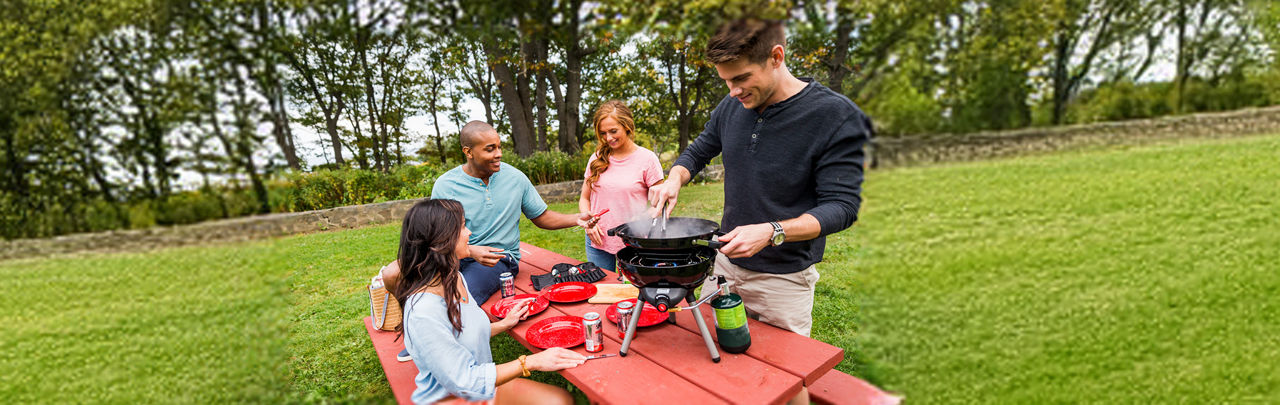
A good camping breakfast doesn't need to be complicated. Whether you're heading out for an early hike, packing up for a travel day, or enjoying a slow morning at the campsite, a little planning can make breakfast easier to cook and easier to clean up.
The biggest difference between cooking at home and cooking at camp is that space, time, and equipment are often limited. A breakfast that would be simple to cook in your kitchen can take much longer when you're working from a picnic table or camp stove.
One of the simplest ways to make breakfast while camping is to plan ahead, choose a cooking method that fits your campsite, organize your cooking area, and select breakfast foods that will work with your schedule and available gear.
Key Takeaways for Making Breakfast at Camp
- Plan meals around your schedule, campsite setup, and available cooking gear.
- Camp stoves typically provide more consistent heat than campfire cooking, but campfires and no-cook options can work depending on conditions.
- Keep your stove, cooler, and prep space organized to streamline breakfast preparation.
- Choose hot, cold, or grab-and-go meals based on your time, weather, and activity plans.
- Store food properly and keep cleanup simple to make mornings at camp more efficient.
What Makes a Good Camping Breakfast Setup?
A good camping breakfast setup keeps cooking simple and matches the type of trip you're taking. A quick breakfast before a hike may only require a stove to boil water for coffee setup, while for a weekend campout you might want to build a complete camp kitchen.
Most camping breakfast setups include:
- Heat source: Camp stove, grill, or campfire
- Work surface: Picnic table or camping table
- Cold storage: Cooler for perishable foods
- Cleanup supplies: Water, soap, and dish towels
If your campsite doesn't have a picnic table or you're cooking for a group, a portable table such as the Pack-Away® 4-In-1 Table can help with much needed additional space for food prep and serving. Its adjustable configurations can also make it easier to create separate areas for prep work, serving, or coffee supplies.
What to Bring for Breakfast at Camp
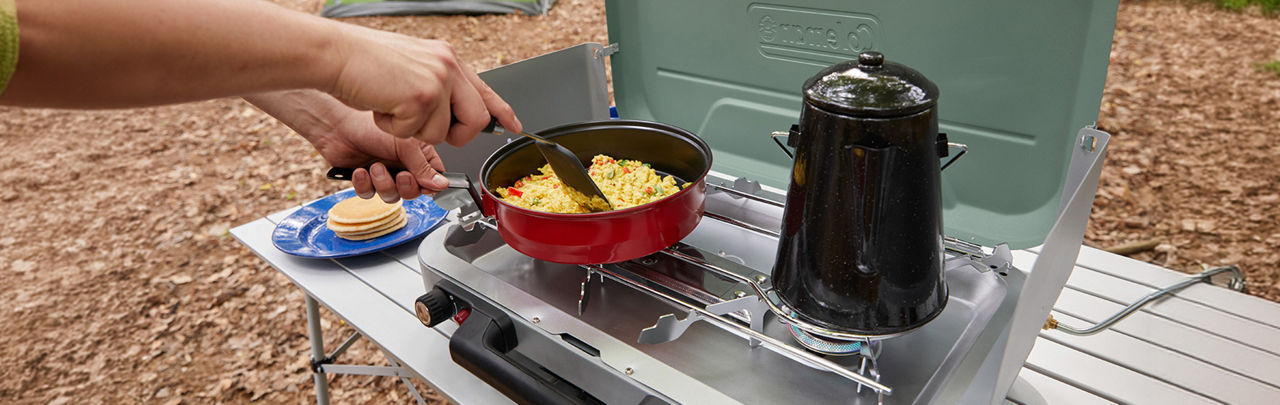
Most campers don't need an elaborate cooking setup. A few basic items can handle most breakfast routines:
- Camp stove, grill, or campfire cooking setup
- Fuel source if required
- Cookware such as a skillet or pot
- Cooking utensils
- Cooler for perishable foods
- Plates, bowls, and eating utensils
- Coffee-making supplies
- Dishwashing supplies
Adjust your packing list based on your campsite, available storage space, and the type of breakfast you plan to prepare.
Planning Breakfast Before You Leave
Planning breakfast before your trip can save time, reduce cleanup, and help you avoid packing unnecessary gear.
Think about how your mornings will look. A breakfast that works well during a relaxed campground stay may not make sense when you're trying to get on the trail shortly after sunrise.
Before leaving home, consider the following:
- Prep ingredients at home when you can, especially if you're bringing a make-ahead camping breakfast that requires little preparation at camp.
- Pack breakfast foods together.
- Store cooking tools in one location.
- Choose meals that match your available time and cooking setup.
A little preparation before leaving home can make mornings at camp run much more smoothly.
Choosing the Right Cooking Method at Camp
The best cooking method depends on your campsite, available gear, weather conditions, and how much time you want to spend preparing breakfast.
Consider the following options:
- Camp stove: Offers reliable heat control and works well in most weather conditions.
- Campfire cooking: Can be enjoyable but usually requires more time and attention because heat changes throughout the cooking process.
- No-cook options: Useful for early departures, travel days, or mornings when you want to minimize cleanup.
When possible, have a backup plan. Rain, wind, or fire restrictions can quickly change your breakfast routine. For many campers, a portable stove such as the X-Cursion Butane Stove makes it easier to boil water, cook eggs, and prepare breakfast when campfire cooking isn't practical. Its single burner allows you to adjust heat as needed, which can be helpful when preparing different breakfast foods.
Setting Up a Simple Camp Kitchen for Breakfast
Keeping frequently used items within easy reach helps reduce clutter and prevents unnecessary trips back to your vehicle when you're in the middle of cooking. Some campers use chair-and-table combinations such as the Flex 'N Go™ Chair Table + Cooler to keep drinks, cooking tools, or breakfast supplies close by. The built-in table and removable cooler can help reduce trips back to your main food storage area during breakfast preparation.
For many campers, an efficient setup includes a camp stove, cooler, and camping table arranged close together. This keeps everything close while cooking. For example, a setup built around a stove like the Cascade™ 3-in-1 Camping Stove can help keep breakfast preparation organized. Its grill and griddle accessories can also provide flexibility when cooking different breakfast foods at camp.
Campers who want a more dedicated cooking area may also find that a setup like the Pack-Away™ Folding Camp Kitchen helps keep cooking tools, ingredients, and prep space organized in one place. Features such as utensil hooks, shelving, and a dedicated prep surface can help keep frequently used items within easy reach while cooking.
Easy Camping Breakfast Ideas
The most practical camping breakfast ideas are often the ones that fit your schedule, gear, and campsite conditions.
Common approaches include:
- Hot breakfast options: Eggs, oatmeal, breakfast sandwiches, or skillet meals that provide a more substantial start to the day.
- Cold breakfast options: Yogurt, fruit, cereal, or granola that require little preparation.
- Grab-and-go options: Breakfast bars, muffins, bagels, or trail mix for early starts and travel days.
Choose the approach that matches the amount of time you have available.
How to Cook Breakfast at a Campsite
Most campsite breakfasts follow the same basic flow: set up your cooking area, prepare ingredients, cook, eat, and clean up.
When cooking multiple foods, start with items that take the longest to prepare and avoid overcrowding pans. Limited cooking space is one of the most common challenges at camp, especially when cooking for a group. Giving food enough space helps promote more even cooking and makes meals easier to manage.
Staying organized throughout the process can help reduce cleanup and keep breakfast from feeling rushed.
How to Make Coffee While Camping
For many campers, coffee is a non-negotiable. The simplest approach is usually the one that fits naturally into the rest of your morning.
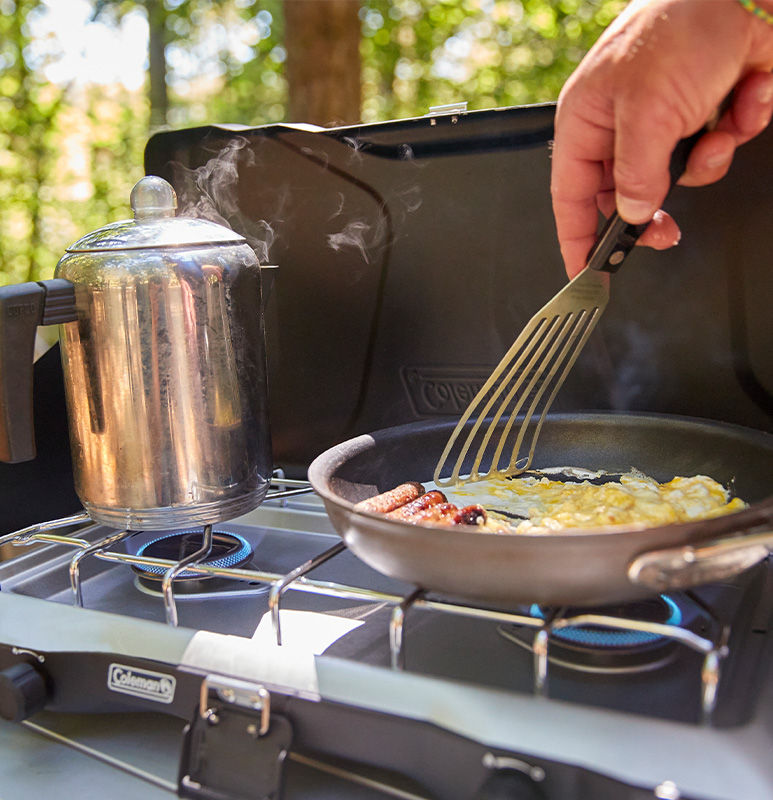
Most camping coffee methods start by heating water on a camp stove or over a fire. If campfires aren't available, a camp stove provides a reliable way to heat water and make coffee while camping without fire. Common options include:
- Boil-and-pour methods
- French presses
- Pour-over systems
- Percolators
Choose the method that fits the amount of coffee you want to make and the amount of cleanup you're willing to handle. A solo camper may only need a single serving, while a larger group often benefits from making coffee in one batch.
Keeping Breakfast Ingredients Cold and Organized
Proper food storage is an important part of any camping breakfast setup. Eggs, dairy products, meats, and other perishable foods require extra attention, especially during warm weather.
A cooler with enough space to keep breakfast ingredients grouped together can also make meal preparation more efficient. For example, coolers such as the Flex 'N Go™ 52-Quart Cooler provide enough capacity to separate breakfast foods from drinks and other campsite supplies, while built-in side tables can create additional space for serving or meal prep.
Campers with limited storage space at home or in their vehicle may also appreciate a cooler such as the Snap 'N Go 55-Quart Collapsible Hard Cooler, which can be collapsed when not in use while still providing room for food and drinks during a trip.
A few cooler-packing habits can help you find ingredients quickly and reduce unnecessary cooler openings:
- Keep perishable foods cold until needed.
- Minimize cooler openings.
- Return ingredients promptly after use.
- Store breakfast foods together for quick access.
Keeping breakfast ingredients in one section of the cooler can speed up meal preparation and reduce unnecessary digging through food supplies.
How to Reduce Cleanup After Breakfast
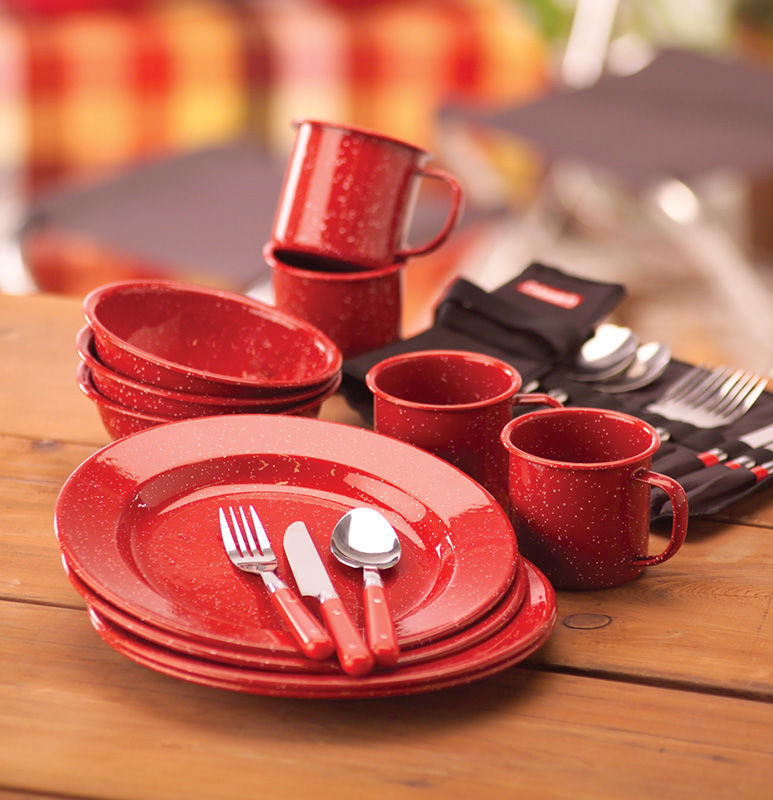
Cleanup starts before you begin cooking. Choosing meals that require fewer dishes and utensils can significantly reduce the amount of washing required later.
- Choose one-pan meals when possible.
- Limit the number of cooking tools you use.
- Put ingredients away as soon as you're finished with them.
- Clean cookware shortly after eating.
Cleaning as you go helps prevent dishes and cooking tools from piling up around the campsite.
Common Challenges When Making Breakfast at Camp
Campsite conditions can introduce challenges that don't exist in a home kitchen.
Common issues include:
- Wind: Can affect stove performance and cooking times.
- Uneven heat: Often occurs when cooking over a campfire.
- Limited workspace: Makes organization more important.
- Cooking for groups: Requires additional planning and coordination.
- Time pressure: Common before hikes, activities, or travel days.
Even with a plan, campsite conditions don't always cooperate. Flexibility is often one of the most useful camping skills. Having a backup meal plan can help when weather or campsite conditions change unexpectedly.
Frequently Asked Questions About Cooking Breakfast at Camp
What is a good breakfast for camping?
A good camping breakfast matches your schedule, available gear, and activity level. Some mornings call for a hot meal, while others are better suited to quick options that require little preparation.
What is the easiest breakfast to make while camping?
The easiest camping breakfasts usually require minimal cooking and cleanup. Options such as oatmeal, breakfast bars, bagels, fruit, or simple skillet meals can help reduce preparation time while still providing a satisfying meal at camp.
What can you eat for breakfast while camping without a cooler?
Shelf-stable foods such as oatmeal, granola, bagels, dried fruit, nut butter, and breakfast bars can work well when refrigeration is not available.
How do you cook eggs while camping?
Eggs can be cooked on a camp stove, grill, or campfire-safe cooking surface, depending on your campsite setup. The easiest approach is usually to use a skillet over a camp stove since it provides more consistent heat and greater control.
How can you make breakfast for a large camping group easier?
Choose meals that can be prepared in larger batches, organize ingredients before leaving home, and avoid breakfasts that require multiple pans or cooking steps.
What should you do if weather changes your breakfast plans?
Having a few no-cook breakfast options available can help you adapt if rain, wind, or other conditions make cooking more difficult than expected.