Your Browser Is No Longer Supported. Please use an alternative browser to improve your experience and security.



Lake Day Essentials
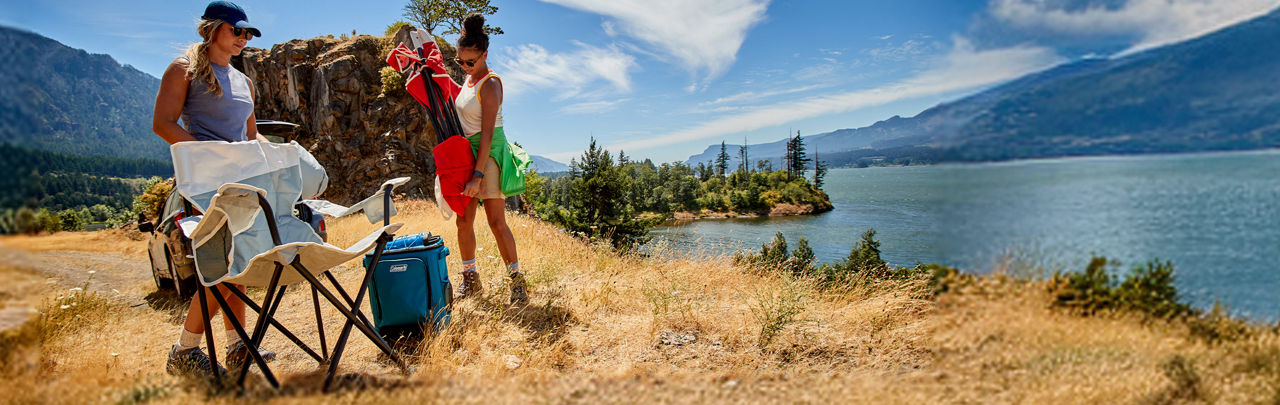
Lake Day Essentials: What to Bring for a Full Day Outside
Lake days have a way of running longer than planned. The crew meets up to hang out for a few hours, then lunch comes out, the cooler gets replenished with drinks, towels dry across the chairs, and before you know it the sun is getting close to the shoreline.
The best setups for days on the lake are the simplest. You want a spot to relax in the shade, grab cold drinks without digging through the cooler for too long, and spend more time near the water instead of reorganizing bags every half hour.
What to Bring for a Lake Day
Most people don’t need to run out and get more gear for a lake trip. You usually just need the right gear packed in a way that makes setting up easy.
The most useful lake day checklist focuses on the items people reach for repeatedly after a few hours outside. Easy access to shade, seating, water, and snacks usually matters more than bringing extra gear that stays buried in the car.
The main categories worth prioritizing are:
- Shade
- Seating
- Hydration
- Food storage
- Clothing
- Safety supplies
Packing around these essentials usually helps everything feel more settled once chairs are set up and people start heading toward the water.
How to Plan for Your Lake Day
A little planning before leaving home makes setup faster once you arrive. Knowing where you’ll park, how far you’ll have to walk to the shore, and whether the lake has nearby facilities can help shape what you bring and how you pack it.
It also helps to check the weather beyond just the temperature. Open water can change conditions quickly over the course of the afternoon. A calm morning can turn windy later in the day, especially around larger lakes or open shoreline areas.
Organize Gear Before Leaving Home
Packing by category usually cuts down on digging through bags once it’s time to unload. Keeping swim gear, snacks, dry clothes, and safety items separated also makes shoreline setup faster once everybody arrives.
That becomes especially important when parking winds up farther from the water than expected. Carrying coolers, chairs, and extra gear gets tiring quickly, especially for families managing children at the same time.
A few organization habits can help things run smoother:
- Use separate bags for dry clothing and swim gear
- Keep sunscreen and water bottles easy to reach
- Store snacks near the top of coolers
- Pack cleanup supplies before leaving home
Transporting gear with a wagon like the Coleman® XL Wagon helps cut down on repeated trips and makes it easy to manage heavy loaded coolers.
Setting Up a Functional Lake Day Base
Once you get everything to the lake, your little base camp can make a big difference. A good setup gives everybody a place to drop towels, grab drinks, and get out of the sun between swims.
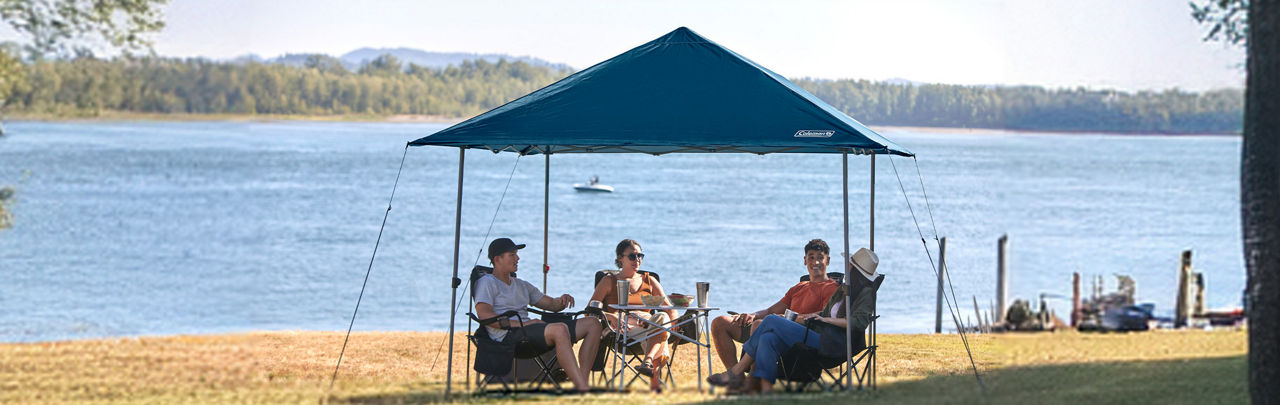
The pros set up shade first. Since natural tree cover usually fills quickly during hot weather, especially on busy weekends, bring a canopy or tent with you. The lightweight Coleman Flex 'N Go™ 10x10 Shelter sets up quickly and gives smaller groups a reliable place to cool down once the afternoon heat settles in.
Food and Drinks for a Day at the Lake
Simple meals usually make the most sense at the lake. Once the weather gets hot and people start swimming, complicated food setups become harder to manage.
The most reliable lake food ideas are usually the ones that travel well and hold up when it’s hot out. Sandwiches, wraps, fruit, and trail mix are all good after a few hours outside.
Some practical lake day snacks and meal ideas include:
- Sandwiches and wraps
- Fruit with high water content
- Trail mix and snack packs
- Crackers and cheese
Hours in the sun and regular swimming can make it easy to fall behind on hydration. Keeping cold water nearby with insulated drinkware like the Coleman® Pro 1 Gallon Jug makes it easier to stay hydrated without needing to dig through coolers.
Keeping Food and Drinks Cold at the Lake
Coolers usually work best during the hottest stretch of the afternoon. By then, everybody is reaching for another drink, snack, or ice pack every few minutes.
One of the easiest ways to improve cooler performance is pre-chilling it before packing. Starting with a warm cooler forces the ice to cool the container first, which can shorten cooling performance later on.
Organize Coolers Strategically
Coolers tend to be opened constantly once everyone gets settled. Using separate coolers for drinks and food can help both stay colder longer.
Here are a few other cooler packing habits that can help:
- Keep coolers shaded whenever possible
- Use block ice or larger ice packs
- Place frequently used drinks near the top
- Open lids only when needed
- Pack coolers tightly to reduce empty air space
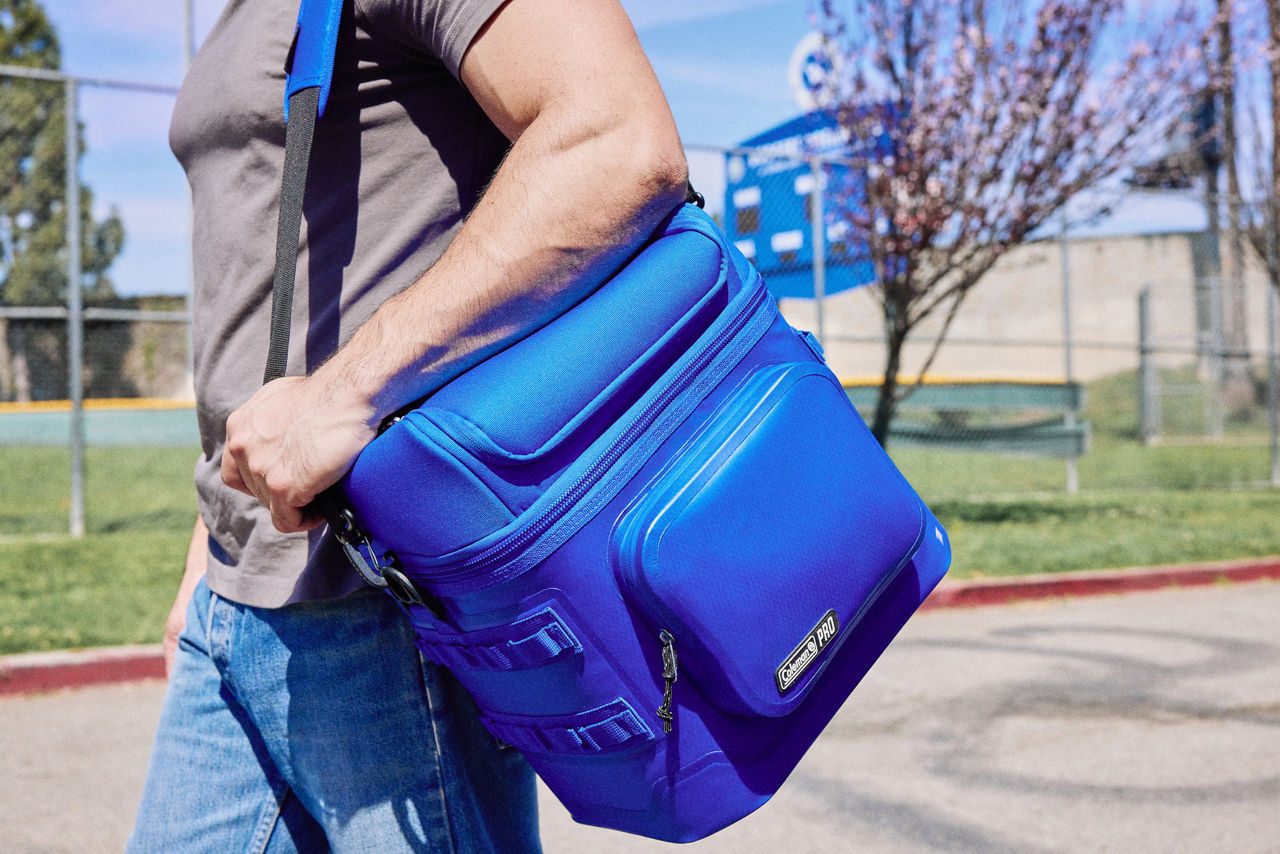
Small, easily portable options like the Coleman® Pro 24-Can Soft Cooler are practical for quick afternoon outings or times you’re on the move. But if you plan to stay lakeside for a while, a hard cooler might better suit your needs. The Flex 'N Go™ 52-Quart Cooler holds ice for over three days, and the butterfly lid makes it easier to grab drinks or snacks without clearing everything off the top first.
If most of the food and drinks will be gone by the end of the day, a Snap 'N Go™ cooler can make packing up easier since it collapses once emptied.
What to Wear to the Lake
The most practical lake clothing dries quickly, layers easily, and stays comfortable once the breeze picks up near the water later in the day.
Some practical clothing items include:
- Quick-drying shirts and shorts
- Swimsuits and coverups
- Hats and polarized sunglasses
- Water-friendly sandals or shoes
- Lightweight layers
A lightweight hoodie or long-sleeve layer usually comes in handy once people dry off after swimming. Packing a dry change of clothes for the ride home also makes long drives home feel better after spending the day near the water.
Sun Protection and Safety Essentials
Sun exposure at the lake can be a factor. The breeze coming off the water can make temperatures feel manageable, even while reflected sunlight increases exposure across open shoreline areas.
Most people end up spending more time in direct sun than they originally planned. Reapplying sunscreen becomes especially important once swimming and sweating enter the mix.
A few practical safety items are worth keeping easy to reach:
- Broad-spectrum sunscreen
- Lip balm with SPF
- Insect repellent
- First-aid basics
- Life jackets for water activities
Keeping those items easy to reach usually matters more after a few hours near the water than it does while packing at home.
Seating and Shade for a More Comfortable Lake Day
Good shade and comfy seating usually decide whether people stay another hour or start packing up early. After several hours near the shore, even short breaks from direct sun are important.
A few simple setup choices can make long afternoons by the water more manageable:
- Bring chairs that are comfortable enough to use for several hours
- Set up shade where people naturally gather for food and breaks
- Leave space beneath canopies for airflow during hotter parts of the day
After a few hours outside, people usually start looking for a place to cool down. Chairs like the Flex 'N Go™ Chair Table and Cooler give people a comfortable place to sit while offering a convenient spot to keep small essentials close by. The OASIS™ 10 x 10 Canopy with Sun Wall adds extra shade and wind protection once conditions shift later in the afternoon.
Lake Day Activities for Groups and Families
Most lake groups move between swimming, floating, fishing, and relaxing as the day goes on. Bringing a few simple activities keeps groups engaged between swims without turning the outing into a heavily planned event.
Some easy things to do at the lake include:
- Floating near shore and casual water games
- Card games or compact games that are easy to bring lakeside
- Fishing from shore or docks where permitted
- Sand and shoreline activities for children
- Books or quiet activities during warmer afternoon hours
It also helps to leave room for downtime. Most groups naturally slow down during the hottest stretch of the afternoon before heading back toward the water later on.
Cleaning Up and Packing Out After a Lake Day
Packing up at the end of the day usually goes faster when cleanup starts before everybody is ready to leave. Towels dry more easily when they get shaken out early, and separating damp items before loading the car helps keep the ride home from turning into a pile of sandy towels and swimsuits.
A few cleanup habits can make packing out easier:
- Toss trash and empty snack containers before loading the car
- Keep damp towels and swimsuits together during the drive home
- Do one quick check around the shoreline before leaving
- Drain melted ice from coolers before lifting them back into the car
Taking a few extra minutes before leaving can help reduce odors, mildew, and forgotten gear between lake trips.
Frequently Asked Questions About Lake Day Essentials
How early should you arrive at the lake?
Arriving earlier in the day usually makes setup easier, especially during summer weekends. Parking tends to be closer to the shoreline, shaded areas are easier to claim, and temperatures are often more manageable while unloading gear.
What should you leave behind during a lake day?
Most lake setups work better when people only bring the items they actually expect to use throughout the day. Extra bags, bulky gear, and unnecessary duplicates tend to take up space quickly once unpacking your towels, coolers, and food.
What’s the easiest way to carry gear to the lake?
Packing gear in separate categories usually makes unloading faster, especially when parking areas are farther from the shoreline than expected. Wagons, wheeled coolers, and collapsible bins can also help reduce repeated trips from the parking lot.
What kind of cooler works best for a lake day?
The best cooler usually depends on how long you plan to stay and how far you need to carry it. Soft coolers work well for smaller groups and shorter walks, while larger hard coolers make more sense for full-day outings with food, drinks, and ice packed for several people.