Your Browser Is No Longer Supported. Please use an alternative browser to improve your experience and security.



How to Build the Perfect Campfire
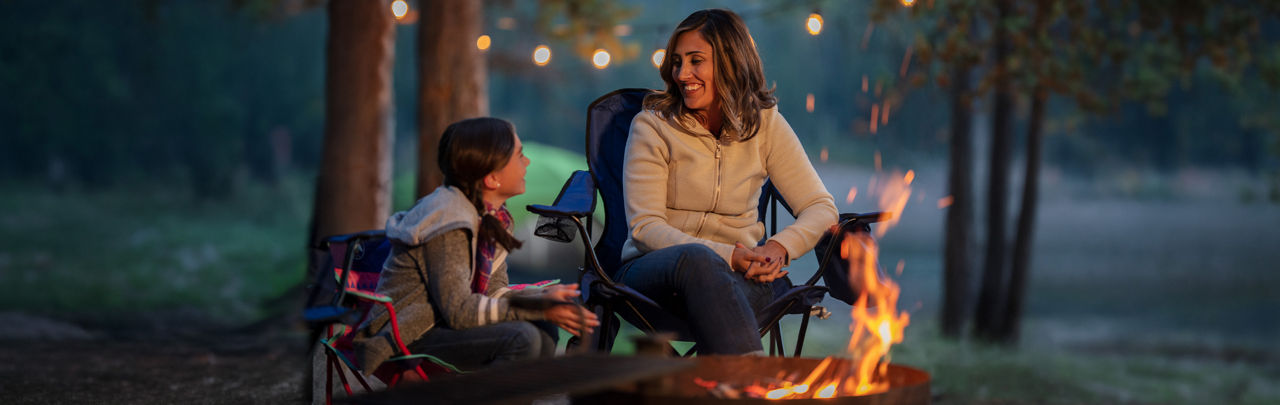
How to Build a Campfire Safely
Building a campfire is a basic outdoor skill, but doing it well takes intention. A controlled fire can be used for cooking and helps take the edge off a cool evening. Plus, it’s just nice to sit around it and relax with your crew. Building a fire correctly can help reduce risk and limit impact to the landscape.
A good campfire isn’t the biggest one at the campground. It’s steady, manageable, and fully extinguished before you turn in for the night. Before lighting anything, make sure you check local fire regulations, burn bans, andcampground rules.Conditions can change quickly in dry weather, and campfires are not always permitted. Confirm fire conditions before starting a campfire and be sure to follow Leave No Trace principles.
This guide explains how to build a campfire safely, including choosing the right location, understanding fire materials, selecting a fire structure, lighting it step by step, cooking over coals, and putting it out completely.
Why Learning to Build a Campfire Matters
Understanding how to start a campfire safely and correctly improves fire efficiency and reduces risk. A properly built fire burns cleaner and uses less wood. A poorly built one wastes fuel and can create unnecessary hazards.
Different types of campfires serve different purposes. Some are built for warmth on cool nights. Others are structured for cooking dinner at camp. Some simply add light at a campsite. Knowing which structure to use helps you manage airflow so the fire burns consistently.
Campfire etiquette also matters. Keep fires small and manageable, follow campground rules, and never leave a fire unattended.
Choosing the Right Location for Your Campfire
The first step is choosing the right spot.
In developed campgrounds, use a designated fire ring or fire pit whenever available. These help contain embers and reduce environmental impact.Requirements vary by location, so check with campground staff or local land management agencies before starting a campfire.
In backcountry settings where fires are permitted, use existing fire rings when possible. If building a new fire, choose mineral soil, gravel, or sand rather than fertile ground. Building directly on organic soil can cause long-term damage to the site. In some wild settings, a mound fire built on mineral soil can help reduce impact.
Before building:
- Clear flammable material within a safe perimeter
- Avoid low-hanging branches and brushy areas
- Keep fires a safe distance from tents and gear
- Monitor wind direction and speed
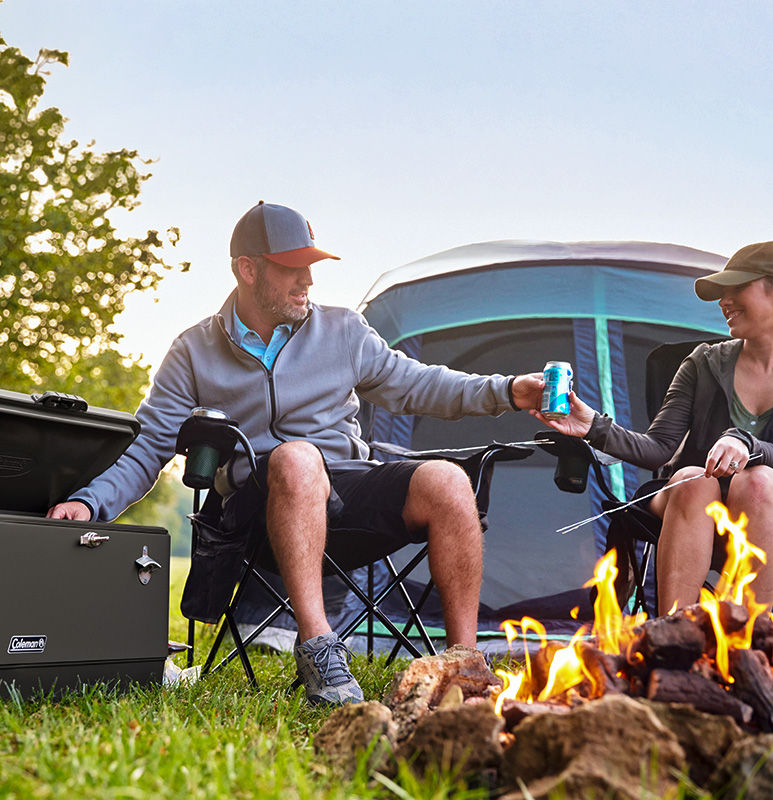
Skip building a campfire entirely during extreme dry conditions or active fire bans.
Campfire Materials Explained: Tinder, Kindling, and Firewood
Every campfire relies on three essential fuel types: tinder, kindling, and firewood.
Tinder is small, dry material that catches easily and forms the first layer to ignite. Examples include dry leaves, pine needles, or fine wood shavings.
Kindling consists of small sticks about the width of a pencil. It builds heat between tinder and larger logs.
Firewood includes larger pieces that sustain the fire once it is established.
When selecting types of firewood:
- Use dry, seasoned wood when possible
- Avoid unseasoned wood, which produces more smoke
- Gather only downed wood in backcountry areas, if permitted
- Do not burn plastic, foil, or treated lumber
Seasoned vs Unseasoned Wood: What’s the Difference?
Seasoned wood is firewood that’s been cut and allowed to dry over time. As moisture evaporates, the wood becomes lighter, burns more efficiently, and produces less smoke under typical use.
Unseasoned wood, sometimes called green wood, has been recently cut and still contains a lot of moisture. It tends to burn unevenly, create more smoke, and make maintaining a steady fire more difficult.
When possible, choose dry, seasoned firewood for more consistent heat and easier fire management.
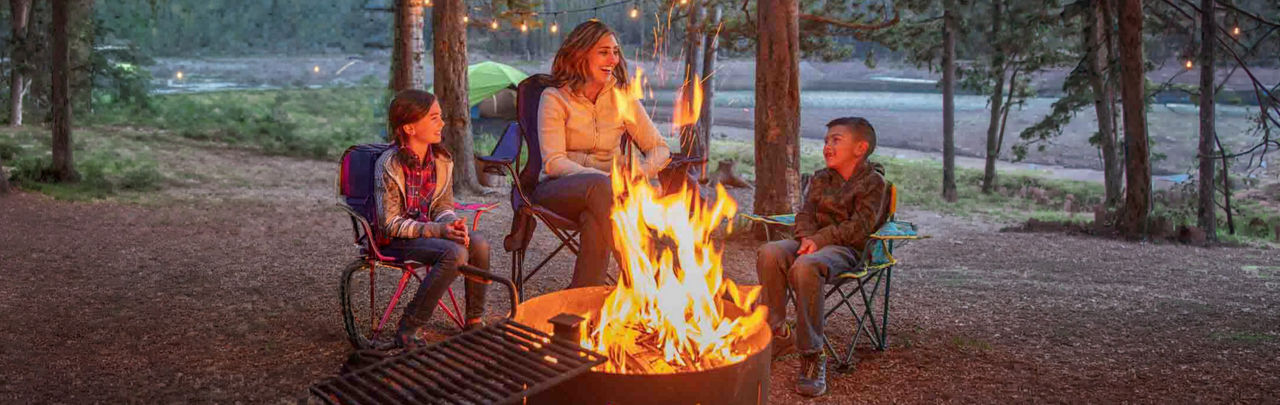
Campfire Structures: Types of Campfires and When to Use Them
The kind of campfire you build determines how oxygen flows through the fire. Airflow supports combustion, so leave space between materials.
Common types of campfires include:
Teepee Fire Method
Arrange kindling in a cone around tinder. This method ignites quickly and works well when you need heat fast.
Log Cabin Fire Structure
Stack logs in alternating layers with space between them. This structure burns steadily and is well suited for cooking over coals.
Upside-Down Fire Method
Also called a pyramid fire, this method starts with larger logs at the base and smaller fuel above. It can burn longer and often requires less tending once established.
Choose the fire structure based on weather conditions and how you want it to burn.
How to Build a Campfire Step by Step
When building a campfire, follow this process:
- Prepare the fire ring and clear the surrounding area.
- Place tinder loosely to allow airflow.
- Add kindling using your chosen fire structure.
- Light the tinder with matches, a lighter, or a fire starter.
- Gradually add larger firewood once flames are stable.
How to Light a Campfire Properly
Light from the base and allow the fire to build gradually. Avoid using gasoline or other accelerants.
If you need to know how to start a fire without matches, spark tools can ignite dry tinder when used correctly. Practice in safe conditions and avoid experimenting during high fire risk.
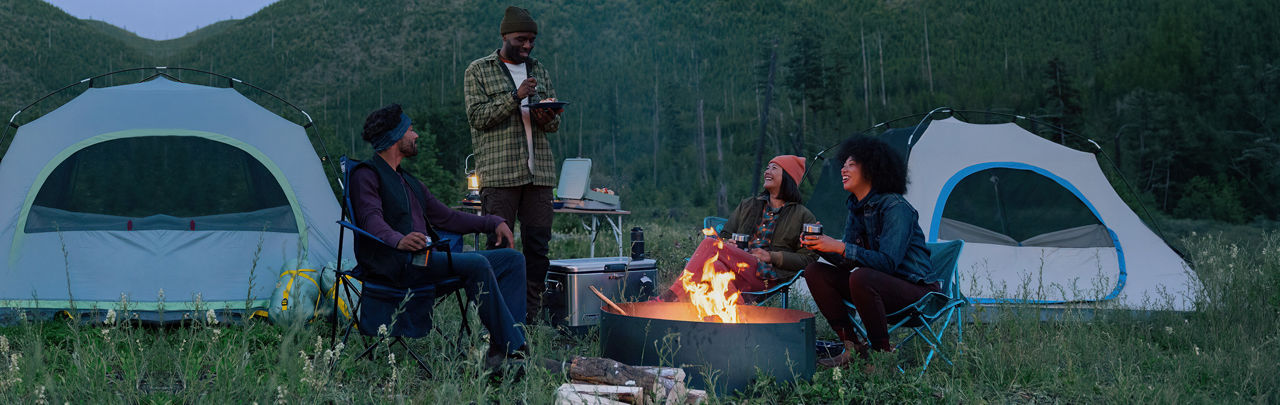
Cooking Over a Campfire: Heat Control and Safety
Campfire cooking works best over glowing embers rather than open flames. Allow the flames to settle and the larger pieces of wood to burn down into a steady layer of embers before placing cookware over the fire.
For more controlled cooking, a lot of campers will bring acamping stoveto use along with the fire, especially when preparing full meals. A dedicated camp stove provides adjustable heat and can reduce reliance on open flame when conditions are windy or variable.
When cooking over a campfire:
- Spread embers evenly to manage heat
- Move logs carefully to adjust temperature
- Use long-handled tools and heat-resistant gloves
- Keep water nearby
Campfires generate enough heat to cause serious burns. Use caution at all times.
Extinguishing Your Campfire Properly
Knowing how to put out a campfire is essential. Keeping awater jugnearby makes the process easier.
To extinguish the fire:
- Pour water slowly over the flames and embers.
- Stir the ashes thoroughly.
- Apply more water.
- Repeat until no heat remains.
Ashes should be cool to the touch before you head to bed or leave camp. Listen for hissing sounds and continue applying water and stirring until no embers remain warm.
How to Put Out a Fire Without Water
Dirt can be used cautiously in limited situations, but it may insulate embers and allow heat to remain trapped. Water is the most reliable method. Never assume a single pour is enough.
Campfire Safety Tips Every Camper Should Know
Campfire safety protects people and the surrounding landscape.
Follow these tips:
- Keep fires small and controlled
- Monitor wind conditions
- Store extra firewood away from flames
- Supervise children and pets
- Never leave a campfire unattended
How Hot Is a Campfire?
Campfires can generate enough heat to ignite nearby flammable materials and cause serious injury. Maintain a safe perimeter and stay attentive while the fire is burning.
How Long Does a Campfire Last?
How long a campfire lasts depends on fuel size, structure, and airflow. Build only what you need. Oversized fires waste wood and increase risk, especially in dry conditions.
Before breaking camp, remember to:
- Burn wood down completely when possible
- Clean up remaining ash and burned wood
- Pack out trash
- Follow campground clean-up rules
A responsible campfire leaves minimal trace.
Frequently Asked Questions About Campfires
Do You Need a Permit for a Campfire?
It depends on your location. Some state parks, national forests, and backcountry areas require a fire permit, while developed campgrounds may not. During dry seasons or periods of high fire risk, campfires may be restricted entirely. Always check with the local land management agency or campground staff before building a fire.
How Far Should a Campfire Be from a Tent?
A campfire should generally be at least 15 to 25 feet away from your tent, depending on campground rules and wind conditions. Keep fires clear of tents, gear, trees, and other flammable materials. Follow posted guidelines and adjust for weather, especially wind.
What Is the Best Formation for a Campfire?
The best formation depends on your goal. A teepee fire works well for quick ignition. A log cabin structure burns steadily for cooking. An upside-down method can offer longer-lasting heat.
Can Cold Ashes Reignite?
Yes. Embers can retain heat beneath a layer of ash. Always stir and add water until ashes are completely cool to the touch before leaving your campsite.