Your Browser Is No Longer Supported. Please use an alternative browser to improve your experience and security.



Soft vs Hard Coolers: What’s the Difference?
Soft vs Hard Coolers: What’s the Difference?
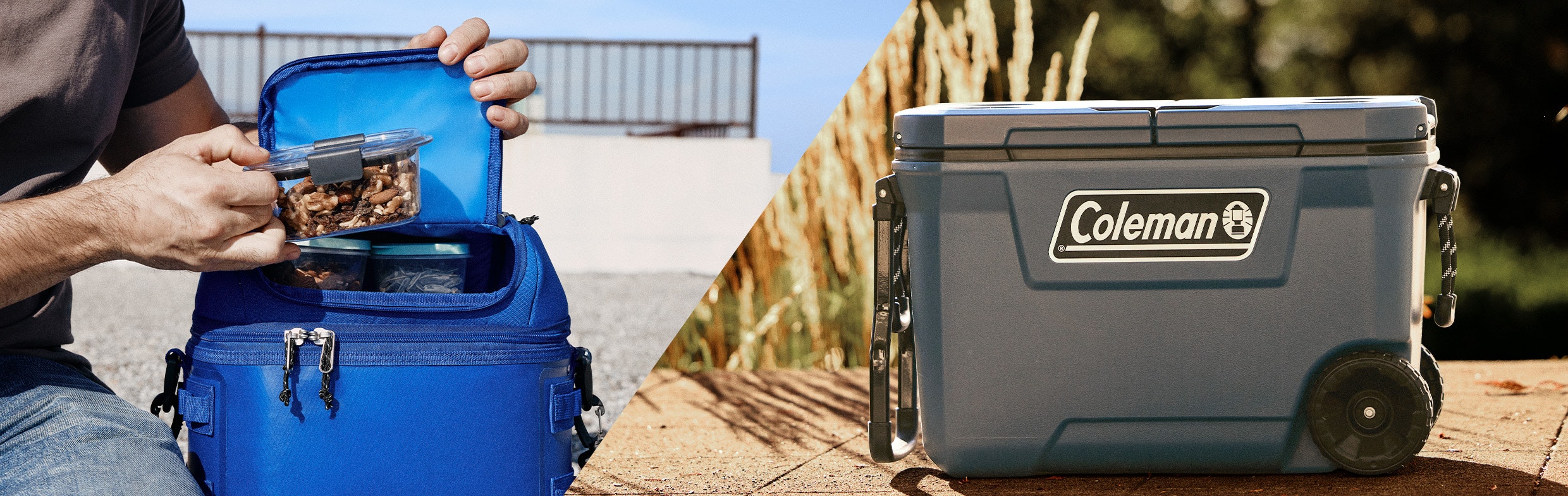
Stroll through any tailgate, beach parking lot, or kids’ tournament sideline and you’ll see a variety of cooler types. Some people roll up with a rigid hard cooler. Others sling a soft cooler over their shoulder. You might even spot a full hard-sided cooler that folds flat.
If you’re deciding between a hard cooler vs soft cooler, the real question isn’t which is better—it’s which type of cooler is best for wherever you’re going. Ice retention, portability, storage space, durability, and frequency of use all matter. This guide breaks it down clearly so you can choose with confidence.
Hard vs Soft Coolers: A Side-by-Side Comparison
Choosing between a hard cooler and a soft cooler starts with understanding how they’re built and how they’re typically used.
What Is a Soft-Sided Cooler?
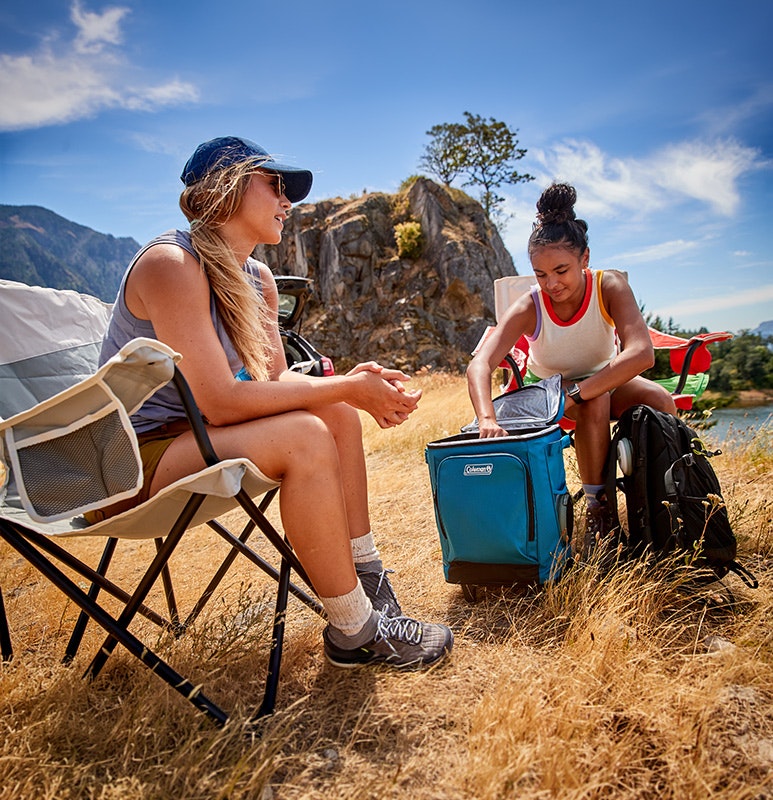
A soft cooler is built with flexible fabric walls and layered insulation. Instead of a rigid shell, it uses textiles and foam insulation to reduce weight and improve portability.
Soft coolers are mostly used for:
- Day trips and short outings
- Sidelines and festivals
- Lunch or small group gatherings
- Situations where lighter carry matters
Because they compress when empty, soft coolers are usually easier to store between trips.
What Is a Hard-Sided Cooler?
A hard cooler uses a rigid plastic shell with insulated walls and a solid lid. The structure is designed to hold its shape and maintain internal temperature for longer periods.
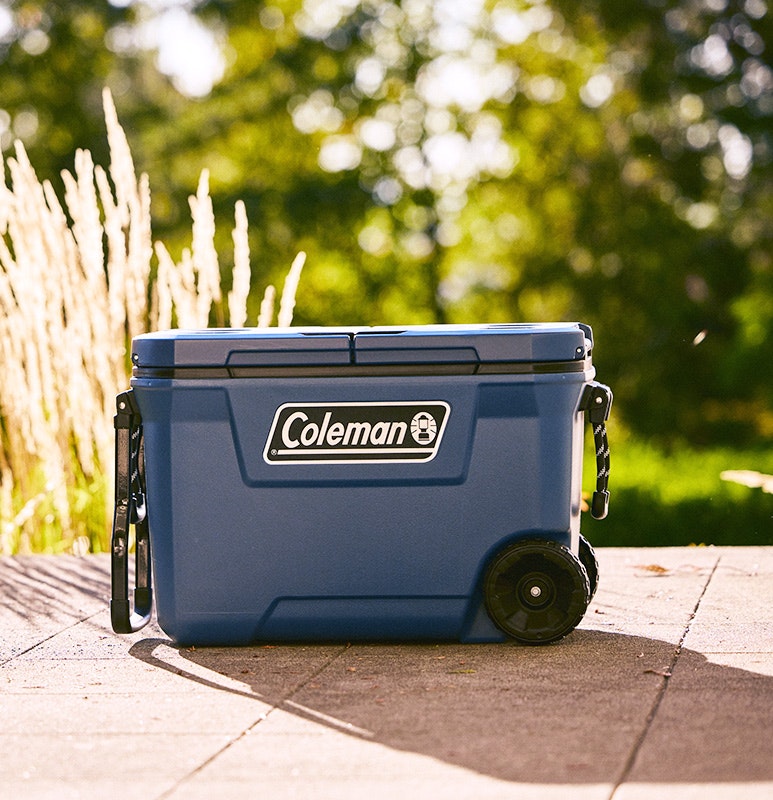
Hard coolers are commonly used for:
- Multi-day trips
- Boating and fishing
- Larger group events
- Situations where extended ice retention matters
They take up consistent space whether full or empty but often offer higher capacity and longer cold retention.
Soft Cooler vs Hard Cooler Comparison
Below is a quick snapshot of how the two cooler types differ at a high level:
| Feature | Soft Cooler | Hard Cooler |
|---|---|---|
| Structure | Flexible fabric | Rigid insulated shell |
| Ice Retention | Shorter timeframes | Longer timeframes |
| Weight | Generally lighter | Generally heavier |
| Portability | Shoulder or backpack carry | Handles or wheels |
| Capacity Range | Smaller to mid-size | Mid-size to large |
| Storage | Folds or compresses | Typically a fixed footprint |
| Typical Use | Day events, short trips | Weekend trips, larger groups |
Ice Retention: Which Cooler Keeps Ice the Longest?
Ice retention is often a deciding factor when choosing between hard and soft coolers.
How long does ice last in a cooler?
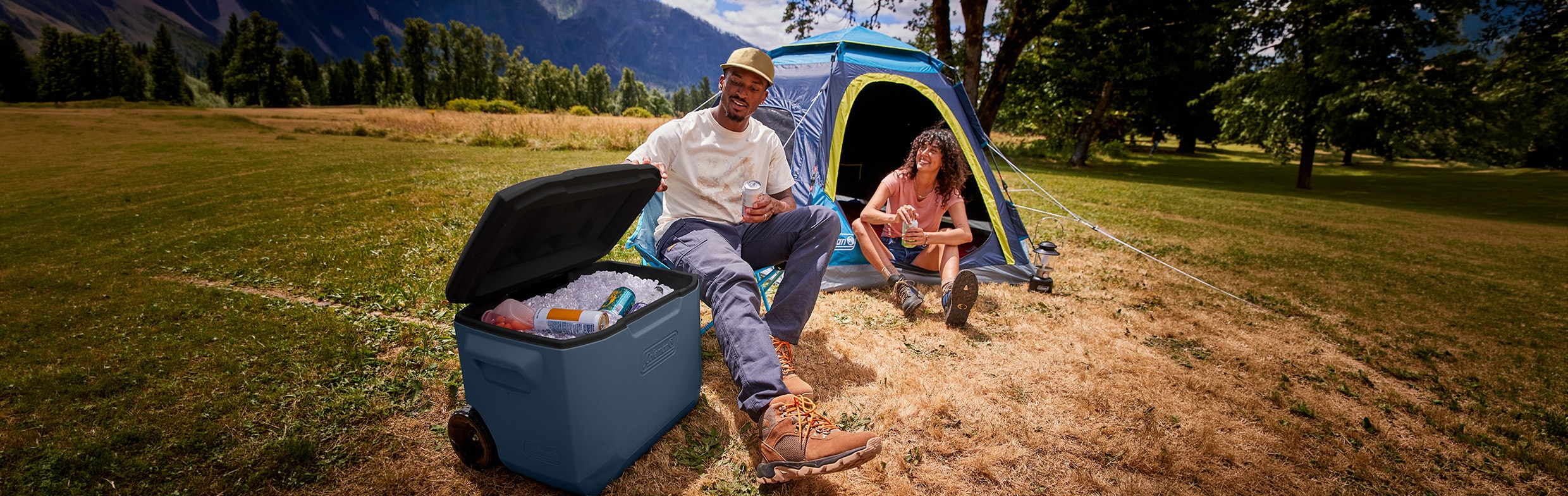
Hard coolers typically use thicker insulated walls and tightly fitted lids to help slow heat transfer. For example, the Coleman Pro 25-Quart Hard Cooler is designed to stay cold for up to 3 days under typical use, while the Pro 55-Quart Hard Cooler has the potential to stay cold for up to 5 days.
Soft coolers insulate differently. Models like the Coleman Pro 24-Can Soft Cooler are designed to stay cold for up to 35 hours. That window often works well for day trips, tailgates, or road trips.
Are soft coolers as good as hard coolers?
Soft coolers serve different needs. For multi-day cold retention, hard coolers are typically your best choice. For lighter carry and shorter trips, soft coolers are often easier.
The better question is how long you actually need ice to last.
Construction and Durability: What Makes a Good Cooler?
Durability depends less on appearance and more on how a cooler is built and used over time. Several specific design factors influence how well it holds up:
- Shell structure: Rigid hard coolers maintain their shape during transport and repeated loading, while soft coolers flex under weight and pressure.
- Wall insulation: Thicker insulated walls in hard coolers help protect contents and absorb impact; soft coolers rely on layered foam within fabric panels.
- Closure system: Latches and hinges on hard coolers handle stress differently than zippers and stitched seams on soft coolers.
- Hardware and reinforcement: Lid fit, base reinforcement, tie-down points, and seam construction all influence how a cooler holds up over time.
- Frequency of use: A cooler used weekly in demanding settings may require a different build than one used occasionally for day trips.
Weight and Portability: Which Cooler Is Easier to Carry?
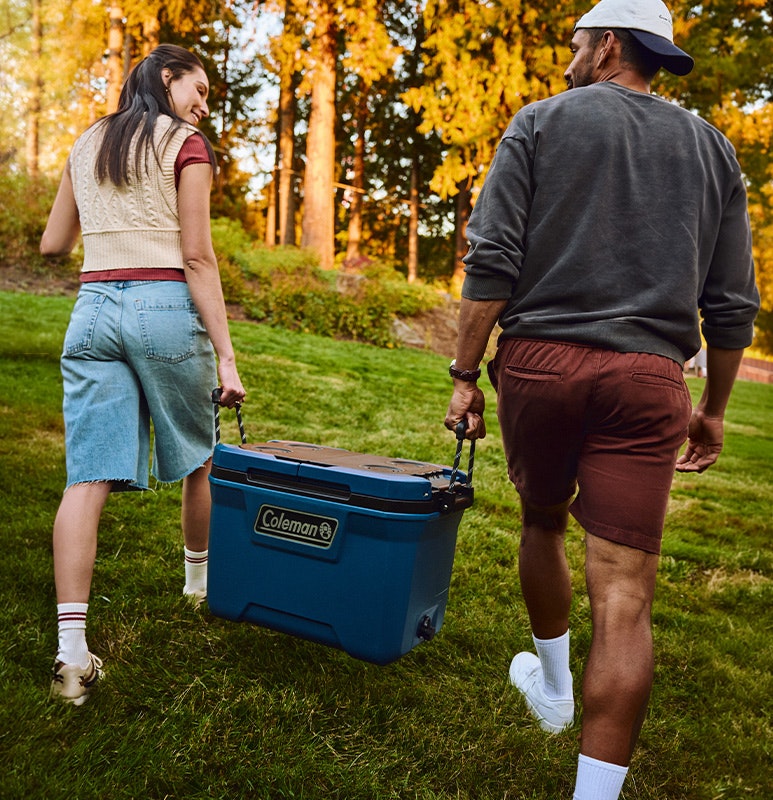
Cooler weight and transport style matter, especially when you’re walking across sand or parking lots.
Soft coolers are often lighter because they use fabric construction. Options like the XPAND 30-Can Soft Cooler or the Backroads 30-Can Soft Cooler Backpack are designed for shoulder carry or hands-free carry.
Hard coolers vary widely in size and carry style. Smaller models like the Chiller 30-Quart Portable Cooler are built for one-hand carry with a bail handle. Larger coolers like the Flex ’N Go 62-Quart Wheeled Cooler add wheels and a pull handle to make it easier to move when it’s loaded with drinks and ice.
Cooler Size: How Much Space Does a Hard Cooler Take Up?
Soft coolers fold down or compress, which makes them easier to store between trips, but typically hard coolers don’t have that advantage.
Traditional hard coolers keep their full shape even when empty. In a garage, truck bed, or storage shed, that may be fine. In an apartment, trunk, or closet, it can be a real constraint.
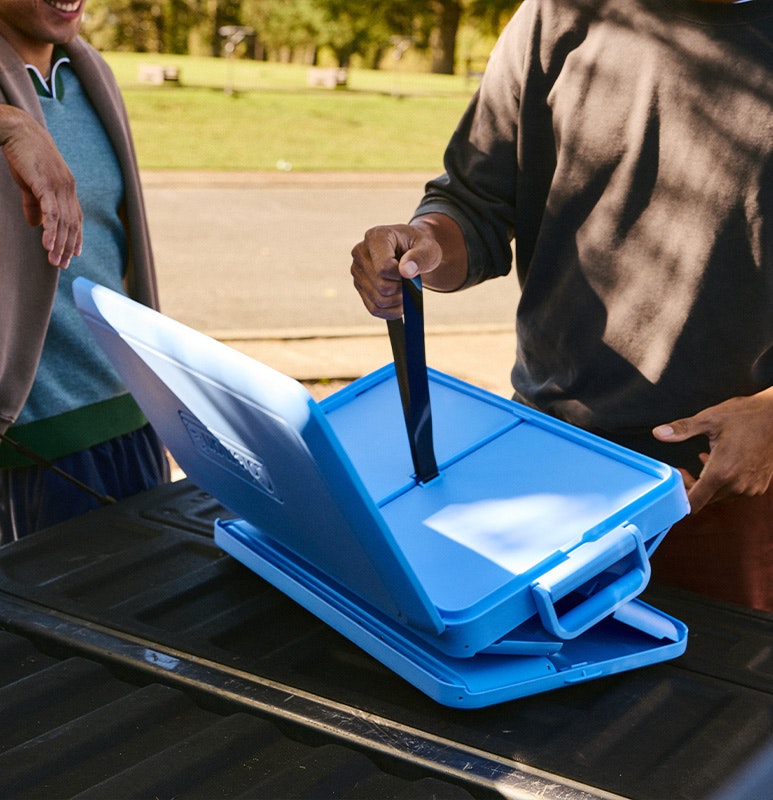
Collapsible hard coolers can help reduce that footprint by folding flat when not in use.
What Is a Collapsible Hard Cooler?
A collapsible hard cooler is for people who want all the advantages of a hard cooler, plus a space-saving footprint when it’s not in use.
The Snap ’N Go collection expands for use and collapses to about one-third of its open size. It comes in 35-, 45-, and 55-quart options, designed to keep contents cold for up to 42, 55, and 64 hours, respectively.
Each Snap ’N Go collapsible cooler includes:
- A removable waterproof liner that helps with cleanup
- Quick setup from collapsed to ready-to-load in about 10 seconds
- Carry handles for vertical carry when collapsed or horizontal carry when open
Are Hard Coolers Worth It?
Hard coolers are built for people who need longer cold retention, higher capacity, and more structural durability. If your trips regularly stretch beyond a few hours, or you’re packing food for multiple people, a rigid cooler with thicker insulated walls and secure latching can make a noticeable difference.
Are soft coolers as good as hard coolers?
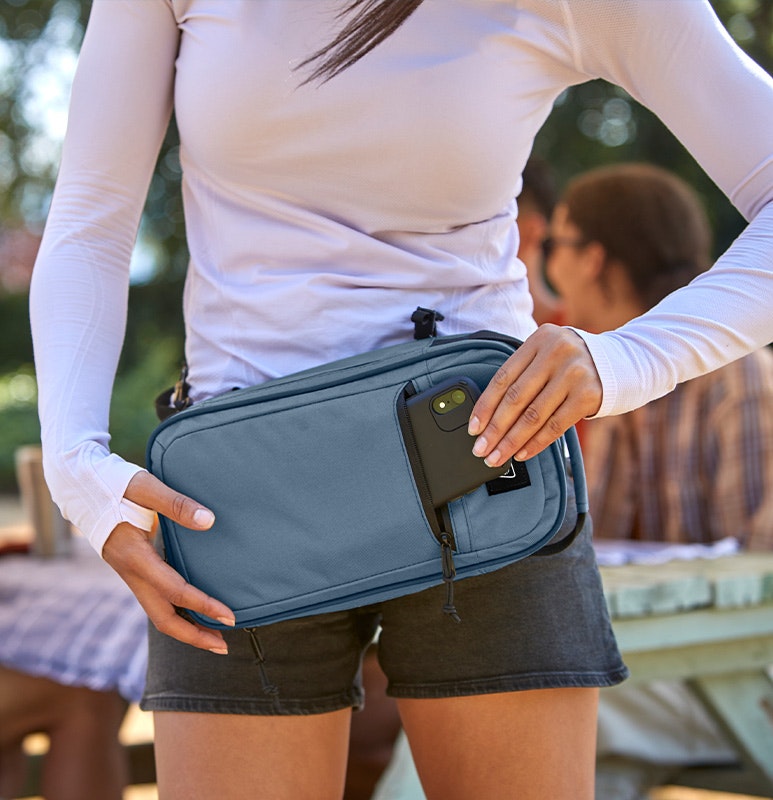
Soft coolers are often lighter and easier to carry, which works well for short outings and day events. But when extended ice retention, durability, and higher volume are necessary for things like camping, hard coolers are usually a better choice.
Cleaning and Maintenance: Are Hard or Soft Coolers Easier to Maintain?
Regular maintenance helps extend the life of any cooler.
Hard Cooler Maintenance
Hard coolers typically have rigid interiors that are easy to rinse and wipe down. Many include drain plugs that simplify draining meltwater after use.
When cleaning a cooler with a hard shell, focus on:
- Removing food residue
- Rinsing out meltwater
- Allowing the interior and lid seal to fully dry
Soft Cooler Maintenance
Soft coolers use flexible fabric construction, which means seams, liners, and zippers need a bit more attention over time.
When cleaning a cooler bag, focus on:
- Wiping down the liner after each use
- Letting the interior and exterior dry completely
- Checking zipper tracks for sand or debris
Which Cooler Should You Choose for Camping, Tailgating, or the Beach?
Choosing a cooler starts with where you’re headed and how long you plan to stay.
For camping, especially multi-day trips, ice retention and capacity are paramount. A hard cooler with thicker insulated walls can make sense when you’re packing multiple meals, keeping perishables cold overnight, or reducing the need to restock ice.
For tailgating, access and convenience often matter just as much as cold retention. Larger hard coolers can support group gatherings, while soft coolers are often easier to carry from the parking lot to your setup. Features like wheels or built-in surface space may also influence how efficiently your layout works.
For the beach, portability and sand-friendly transport usually take priority. A soft cooler or backpack cooler can be easier to carry longer distances, while a hard cooler may fit better if you’re staying all day and packing drinks for a group. Shade placement and limiting lid openings can also affect how long your contents stay cold.
Soft vs Hard Coolers: Which Is Right for You?
Hard coolers make sense when you need extended cold retention, higher capacity, and a structure that holds up to repeated loading and transport. Soft coolers make sense when lighter carry, quicker access, and easier storage matter more. Collapsible hard coolers offer another approach for those who want rigid insulation without committing to significant storage space.
Once you’re clear on how long you need ice to last, how far you’ll carry it, and where it will live between outings, choosing a cooler is easy.
Frequently Asked Questions
How do I choose the right cooler size?
Start with how many people you’re packing for and what you’re carrying. Drinks-only loads often take up more room than people expect once you add ice. If you’re packing meals, plan for bulky containers and keep in mind that a “can capacity” number does not include ice.
Is a soft cooler OK for all-day events?
It can be, depending on your expectations and how you pack it. For full days on the sidelines or beach, a soft cooler that’s designed for longer cold retention can work well, especially if you pre-chill contents and limit lid-open time.
What should I use if I need cold retention but don’t have storage space?
A collapsible hard cooler is ideal if you want a hard cooler but lack storage space. Snap ’N Go models are designed to collapse to about one-third of their open size.
Why are coolers so expensive?
Price reflects insulation thickness, hardware, reinforced construction, and capacity. Materials and build complexity increase cost.