Your Browser Is No Longer Supported. Please use an alternative browser to improve your experience and security.



Tent Buying Guide: How to Choose the Best Tent for Your Outdoor Adventure
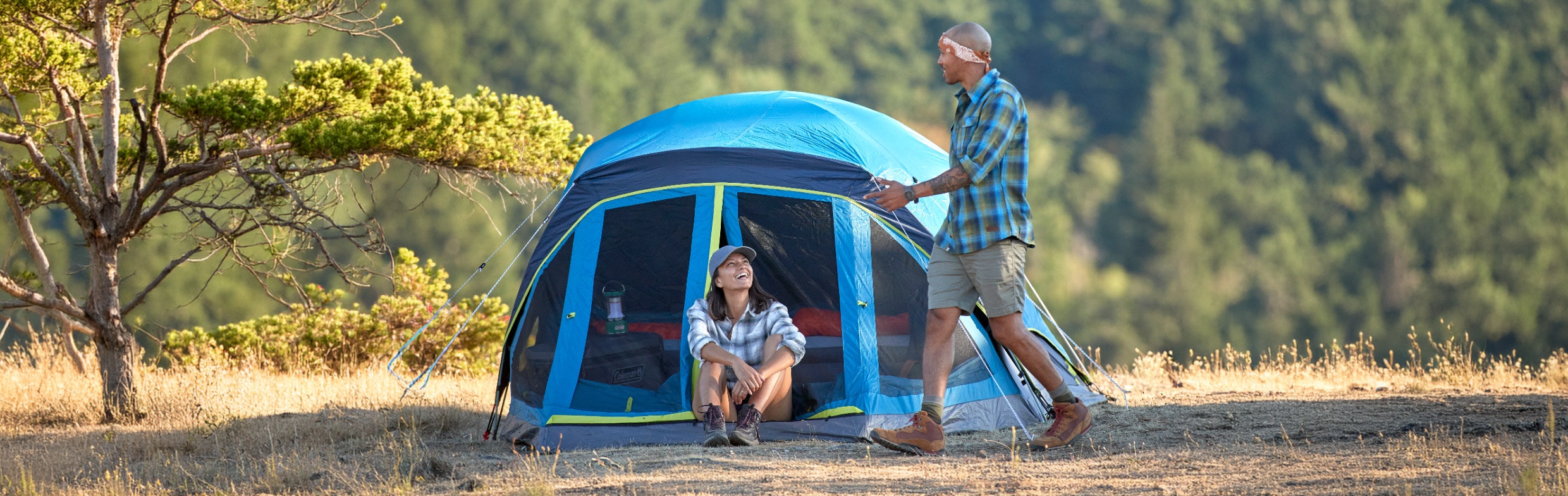
It’s late afternoon at the campsite. The light is fading, the wind is picking up, and you still need to get your tent up before dinner. This is the moment when the right tent feels like a relief, and the wrong one could spell disaster.
A tent’s more than a place to sleep. It gives shelter from bad weather, creates space to change clothes or organize gear, and often becomes your hangout on a rainy day at the campsite. Whether you’re camping with family, heading out with friends, or setting up for the first time, the tent you choose will play a big role in how comfortable camp feels overall.
This guide can help you choose a tent the same way experienced campers do, by thinking through how you camp, where you camp, and what features will make camp life a little easier. We’ll go through tent types, sizes, layouts, weather-related features, and set-up considerations so you can choose a tent that fits the real-world conditions where you’ll be camping.
How to Choose a Tent: Understanding Your Camping Style
Before you start comparing features or sizes, it helps to think about how you plan to camp. The difference between car camping and backpacking gear is massive.
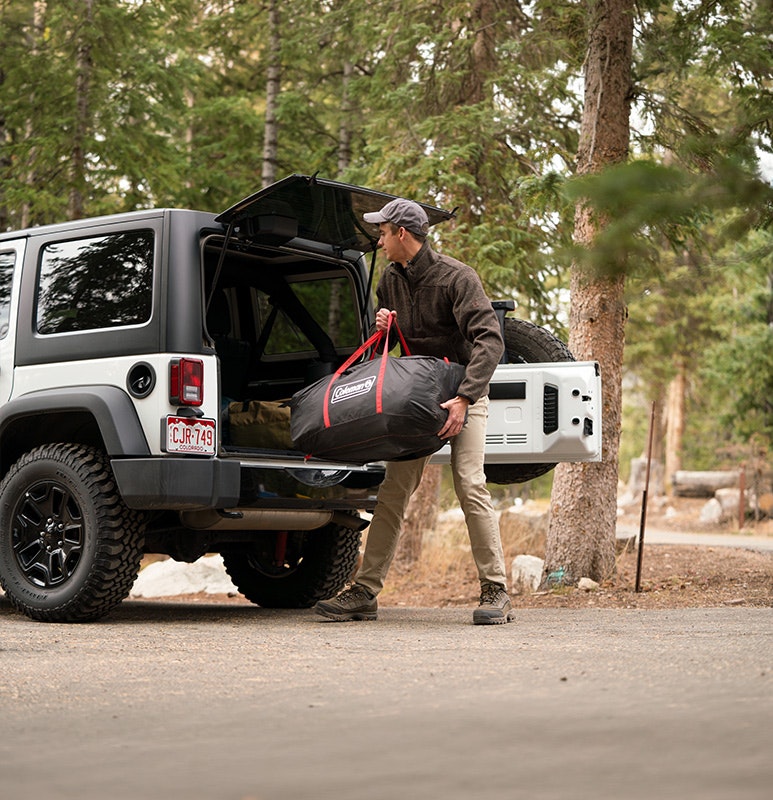
Car camping allows you to drive up to your site, which means weight and packed size are less of a concern. This opens the door to roomier tents with more headroom and comfort-focused features. For campers who value fast setup at drive-up sites, instant-style designs like the 6-Person Instant Cabinare often appealing because they reduce time spent pitching the tent after a long drive.
Backpacking involves carrying all your gear on your back, so lighter materials and compact designs are paramount. Most first-time campers begin with car camping, where space, durability, and ease of setup tend to have the biggest impact on comfort on your tent choice.
Choosing the Right Type of Tent
Camping tentsgenerally fall into a few main categories, each intended for different uses. Choosing the right type helps narrow your options before comparing specific models.
Dome tents are a common choice for many campers. Their pole structure offers stability in typical wind and rain conditions, and they’re usually straightforward to set up. A tent like the 4-Person Dark Room Sundome Tentfits campers who want a simple dome design with light blocking and weather protection suited for common camping conditions.
Cabin tents offer more interior space.They have near-vertical walls that increase headroom and make it easier to move around inside, which can be helpful for family camping or longer stays.Models like the Coleman Montana 8-Person Tentare popular for this reason, especially among campers who appreciate features like the hinged doors and extra space.
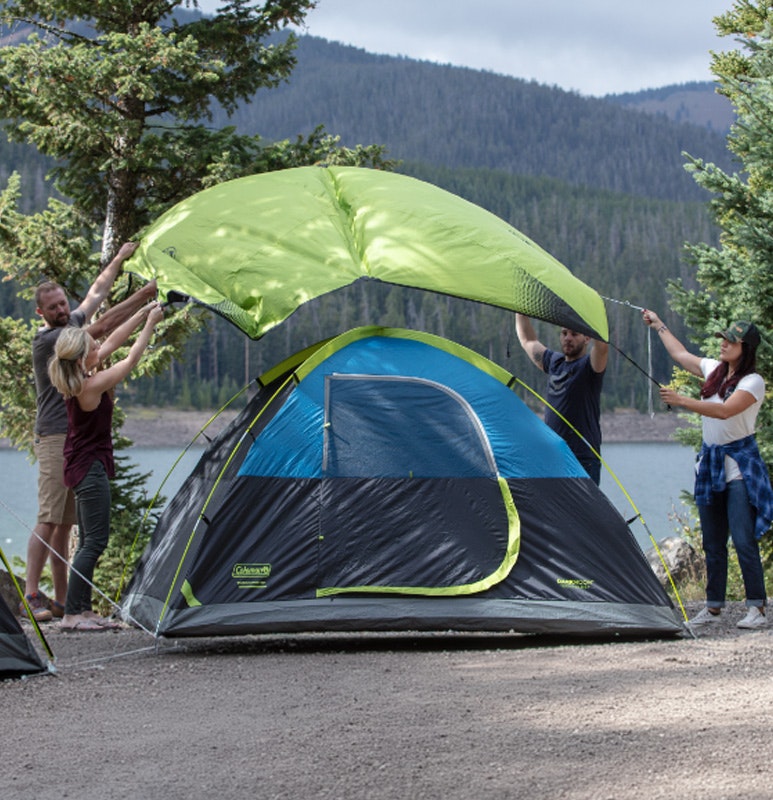
Instant tents are built for fast, simple setup. Pre-attached poles allow the tent to be unfolded and secured quickly, which can be nice after a long drive or when setting up camp solo.
Backpacking tents prioritize lower weight and smaller packed size over interior space. Rooftop tents attach to vehicles and are designed for specific travel styles rather than general campground use.
Tent Sizes and Capacity: Choosing the Right Fit for Your Group
Tent capacity ratings indicate how many sleeping pads can fit on the floor, they’re not necessarily a reflection of how comfortable the space will feel once people and gear are considered.
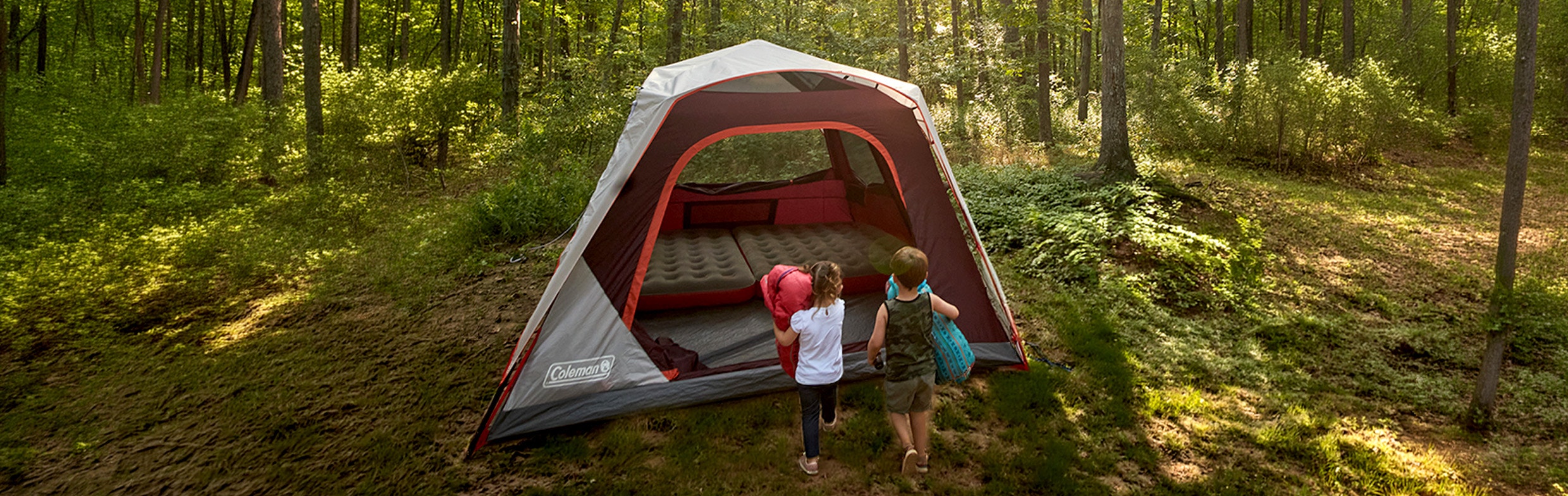
A four-person tent typically fits four sleeping-bag-sized pads placed close together, with limited extra room. Many campers choose to size up for additional space, especially when car camping with children, pets, or airbeds. Larger options such as the Skylodge 8-Person Instant Camping Tentor the 8-Person Instant Cabin Tentare designed to support multiple airbeds and offer a more comfortable living space.
For very large groups or family trips where everyone sleeps inside the tent, a model like the 10-Person Dark Room Instant Cabin Tentcan make a noticeable difference by offering more floor space, room dividers, and headroom.
When choosing a tent size, consider:
- How many people will sleep inside
- Whether gear will be stored in the tent
- If you want room to stand or change clothes
- How much time you expect to spend inside during the day
Comparing floor dimensions and center height can provide more useful information than the person rating alone.
How Tent Shape and Layout Affect Comfort
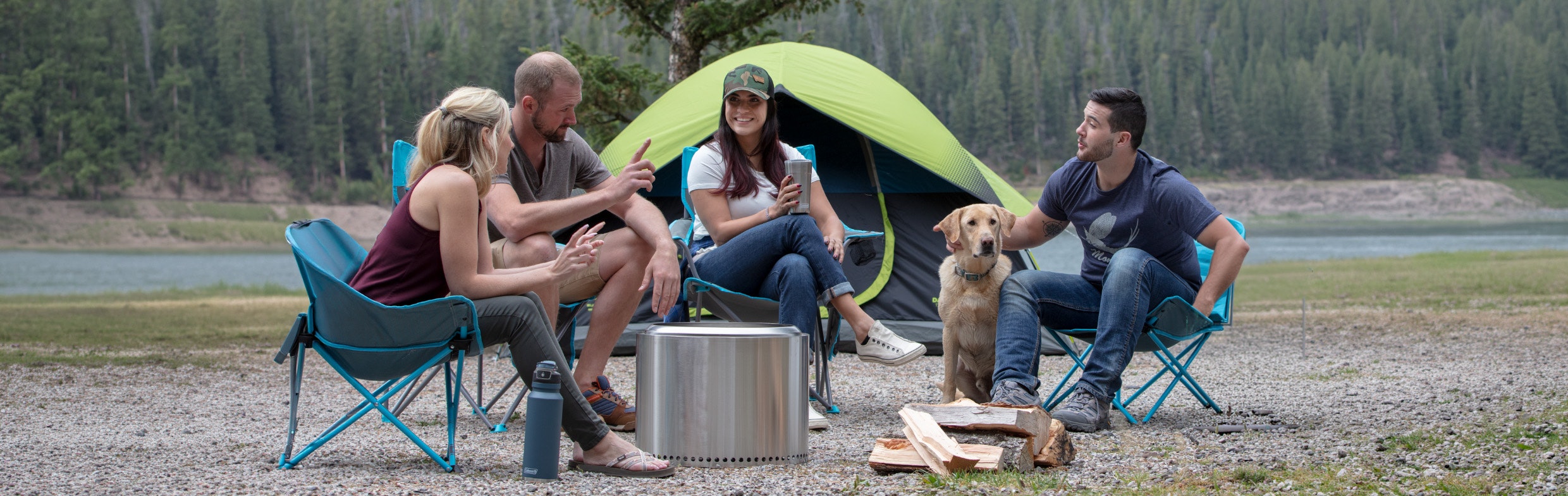
Tent shape affects how the interior space feels. Dome tents taper toward the top, which can limit headroom near the walls. Cabin-style tents use straighter walls to maximize livable space.
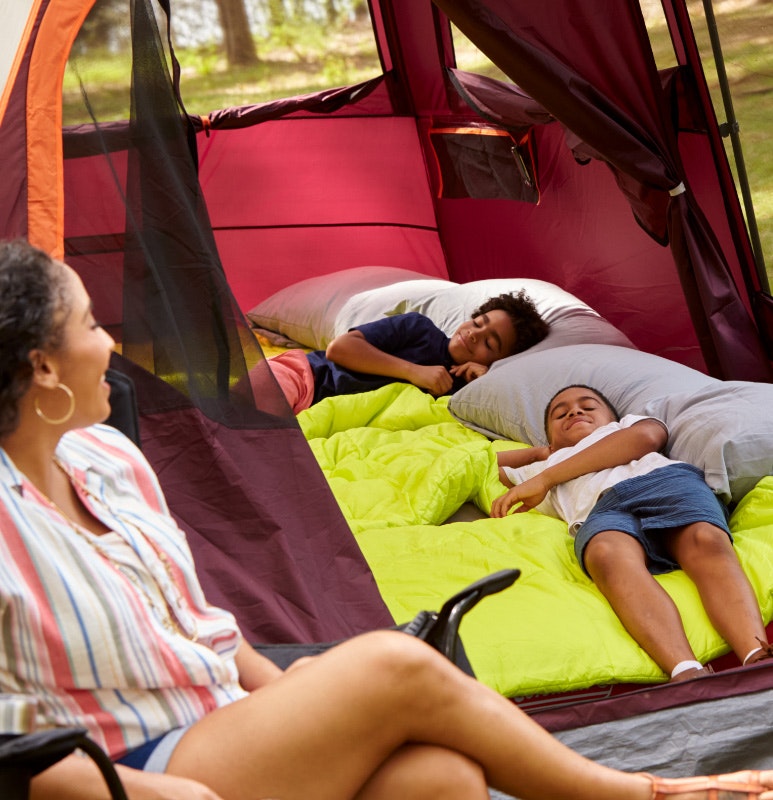
Layout features also affect daily use. Multiple doors can make it easier to enter and exit without disturbing others. Wide doors make it easier to load in air mattresses. Vestibules give you covered space for storing muddy boots or packs. Screen rooms add flexible space for lounging, storage, or even additional sleeping.
A tent like the Skydome 6-Person Screen Room Tent with Dark Room Technology is a good example of how a screen room can extend usable space while keeping bugs out.
Staying Comfortable in Different Weather
Most campers use three-season tents, which are designed for spring, summer, and fall conditions. These tents balance airflow and weather resistance for typical camping environments. Four-season tents can be used year-round, but they’re really designed for winter camping and tend to be overbuilt for summer camping.
Three-season tents have features that can help manage changing conditions including rainflies that extend over doors and walls, welded floors and protected seams to keep out rain, and mesh panels paired with adjustable vents to help prevent condensation. Tents with integrated rainflies, such as instant cabin designs, can also simplify setup in wet conditions.
How Do You Know if a Tent Is Any Good? Key Features That Matter Most
Tent quality is determined by materials, construction, and design. Most tent bodies are made from polyester or nylon, with heavier materials used for floors and rainflies where abrasion and moisture are more likely.
Pole systems also matter. Fiberglass poles are common in car camping tents, while aluminum poles are lighter and stronger. Features like continuous pole sleeves, reinforced stress points, and durable fabrics can contribute to longer usability when cared for properly.
Understanding these elements helps you evaluate quality without needing to compare technical specifications in detail.
Setup, Portability, and Ease of Use
Setup time can matter, especially at the end of a travel day. Color-coded poles, pre-attached frames, and intuitive designs can make setup more manageable.
Instant cabin tentsincluding options like the 4-Person Cabin Camping Tent with Instant Setup,are designed to be super easy to setup. Larger tents may take more time and space to pitch but often provide added comfort once set up.
Even for car camping, packed size and weight affect how easy a tent is to transport and store between trips.
Choose a Tent You Will Actually Use
There is no perfect tent, but there is a tent that fits your camping style, group size, and comfort preferences. Choosing features you are likely to use often is usually more helpful than selecting the largest or most feature-heavy option.
By focusing on how you camp, where you camp, and who you camp with, you can narrow your choices and select a tent that lets you have the most fun outside.
Frequently Asked Questions About Choosing a Camping Tent
How long should a camping tent last?
With proper care, cleaning, and storage,a camping tent can be used for years. Drying your tent fully before storing it and avoiding prolonged exposure to moisture can help maintain its materials over time.
Is it better to size up when choosing a tent?
Many campers prefer sizing up, particularly for car camping, to allow more room for gear and movement. Comfort preferences vary, so it helps to consider how you plan to use the space.
Do darker tents make camping hotter?
Darker fabrics can absorb more heat, but overall temperature inside a tent is influenced by ventilation, airflow, and weather conditions. Some dark materials can also block light, keeping it cooler in the tent. Design features often play a larger role than color alone.
Can one person set up a large tent alone?
Some larger tents can be set up by one person, though they may take more time and effort. Designs with pre-attached or color-coded components can make solo setup more manageable.
Should gear be stored inside or outside the tent?
Lightweight items are often kept inside for convenience, while muddy or bulky gear is typically stored in vestibules or covered areas to keep the sleeping space cleaner.