Camping in the rain can be comfortable when your campsite, shelter, and sleep system are set up for wet weather. A rainy weekend changes how you pack and move around camp, but it doesn’t have to send everyone home.
Learning how to camp in the rain comes down to protecting one dependable dry zone, managing moisture before it spreads, and choosing gear that matches the forecast. These tips for camping in the rain can help you plan a trip that’s organized and manageable from setup to pack-up.
Is It Okay to Go Camping in the Rain?
A rainy forecast doesn’t automatically mean you should cancel your camping trip. Light or steady rain can be manageable when the campground is open, the site drains well, and your gear is suited to the conditions.
However, you should reconsider the trip when severe thunderstorms, flash flooding, strong winds, unsafe roads, or campground closures are possible. Check official alerts, follow campground guidance, and be prepared to leave if the weather becomes more serious than expected.
How to Prepare for Camping in the Rain
Check the hourly forecast several days before the trip, then check it again on the morning you leave. Look beyond the chance of rain. Pay attention to storm timing, overnight temperatures, wind, and any alerts that could affect travel or campsite conditions.
Once you know when rain is expected, add a few wet-weather items to your usual packing list and make sure your shelter is ready to use:
- Pack sleeping bags, dry clothes, electronics, and matches or lighters in waterproof bags or sealed containers.
- Bring extra socks, a quick-drying towel, and a separate waterproof bag for wet clothing.
- Place a heavy-duty plastic bag inside a duffel or storage bin as a second barrier around items that must stay dry.
- Set up the tent at home and check for torn fabric, loose stitching, bent poles, missing stakes, or worn guylines.
- Look for loose or peeling seam tape or sealant that is cracked or flaking. If maintenance is needed, use a treatment approved for the tent material and let it dry fully before packing.
Checking the tent at home gives you time to clean, repair, or replace anything before wet weather makes the problem harder to manage.
How to Choose the Right Campsite When Rain Is Expected
The right tent site can make it much easier to manage wet weather. Start by looking for an established site that sits slightly above the surrounding ground and does not show signs of standing water.
Before setting up, look for a site with these features:
- Slightly elevated ground with no standing water
- Gravel or well-drained compacted soil rather than soft mud or worn grass
- No shallow depressions, channels, or furrows that could carry runoff through the site
- Clear overhead space without dead, damaged, or loose branches
- A layout that lets you point the tent entrance away from the heaviest wind and rain
- Some morning sun, when available, to help damp gear dry
These features can help you avoid water collecting around the tent and make the campsite easier to manage after the rain slows down.
How to Keep Your Tent Dry in the Rain
The best tent for camping in the rain is one that fits your group, has enough rainfly coverage, protects vulnerable seams and corners, and still allows airflow. A tent waterproof rating can be useful when a manufacturer provides one, but it is only part of the decision. Floor construction, ventilation, rainfly design, and correct setup also matter.
Our tent buying guide explains how to compare tent shapes, capacities, ventilation, and weather-related features.
Look for Rainfly and Seam Protection
Most Coleman tents include the WeatherTec™ system, which combines weather-protection features designed to help keep water out. The specific features vary by model. On the Skydome™ 6-Person Camping Tent with Full-Fly Vestibule, welded corners, inverted seams, and taped rainfly seams help protect common water-entry points.
The full-fly vestibule also creates a protected entry area where campers can leave muddy boots or wet jackets outside the main sleeping space. Pre-attached poles help you get the tent set up in under five minutes, which means less time spent handling the tent during a passing shower.
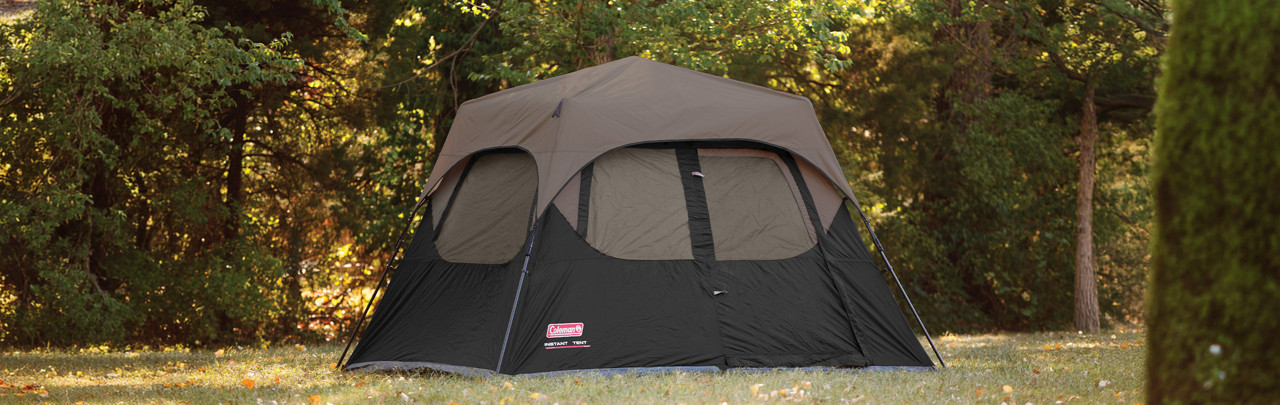
Campers who already own a compatible 10 x 9 ft. Coleman® 6-Person Instant Tent can add the separate Instant Tent Rainfly Accessory. Its overhanging design adds rain coverage while allowing the windows to remain partly open for airflow.
How Do You Set Up a Tent in the Rain?
If rain has already started, leave sleeping bags, clothing, and other gear in the vehicle or sealed containers until the tent and rainfly are in place. Keep the tent door zipped while you work, and use the instructions as a step-by-step guide so the rainfly can go on as soon as the frame is standing.
Once the rainfly is attached, pull it taut and make sure it does not rest against the tent walls. Stake the tent and guylines as directed, then recheck the tension after the fabric gets wet because it may loosen or stretch.
How Do You Reduce Tent Condensation?
Moisture on an interior tent wall is not always a leak. Tent condensation forms when warm, damp air from breathing, clothing, or wet gear meets a cooler tent surface. It may appear as small droplets on the walls or rainfly even when rain is not passing through the fabric.
Airflow is the main way to manage condensation. Use the tent vents as directed, and open protected windows slightly when conditions allow. Tent features that maintain airflow while limiting direct exposure to rain can make this easier. The Skydome includes roof vents and a mesh back wall, while the WeatherMaster® 6-Person Tent with Screen Room has an angled window designed to help keep rain out when open.
Store soaked jackets, shoes, towels, and other wet items outside the main sleeping area. Wipe down visible moisture with a towel, and keep sleeping bags and clothing from resting against damp tent walls.
Create a Dry Outdoor Living Space
A separate covered area gives the group somewhere to sit, organize gear, and wait out a shower without crowding the tent. Set up a tarp or portable shelter according to the manufacturer’s instructions, and secure it using all required anchor points. Do not allow water to pool overhead, and take the structure down if wind increases or site conditions make it unsafe to use.
For larger groups, an attached screen room can provide useful extra space. The Skylodge™ 12-Person Camping Tent includes a 5 x 10 ft. weatherproof screen room designed for lounging, sleeping, or gear storage.
Keep the tent entrance and main walkways clear. A mat or towel near the door can help remove mud, while hooks or a short clothesline beneath the covered area give wet jackets a place to drip. Treat this space as the wet gear zone, and keep the tent interior for dry clothing and sleeping gear.
What to Wear Camping in the Rain
Dress in layers that can be adjusted as the temperature changes. Start with a quick-drying base layer, add a warm mid layer, and wear a waterproof, breathable outer shell. Rain pants can help during setup, walks to campground facilities, or time spent outside in steady rain.
Cotton absorbs moisture and dries slowly, so synthetic or Merino wool layers are generally easier to manage in cool, wet conditions. Pack footwear that can handle wet ground. If space allows, bring a second pair to change into after your main shoes get wet, and leave muddy footwear in the vestibule or covered wet gear zone rather than inside the sleeping area.
Bring more socks than you expect to need, and keep at least one pair sealed with your sleep clothes. Changing into dry socks and base layers before bed can make a noticeable difference in comfort.
How to Cook and Eat Comfortably in Wet Weather
Use camp stoves and grills only outdoors in open air, on a stable surface, and according to the product instructions. Never cook inside a tent, vestibule, screen room, vehicle, or other enclosed or partly enclosed space. If rain makes outdoor use unsafe or the appliance cannot be kept dry as required, wait for conditions to improve or serve a no-cook meal.
Prepare ingredients at home and choose simple rainy day camping meals that use one pot or pan. Oatmeal, soup, chili, and hot drinks are easier to manage than meals with several steps. Store food, utensils, and cookware in lidded bins between meals to keep rain and mud off them.
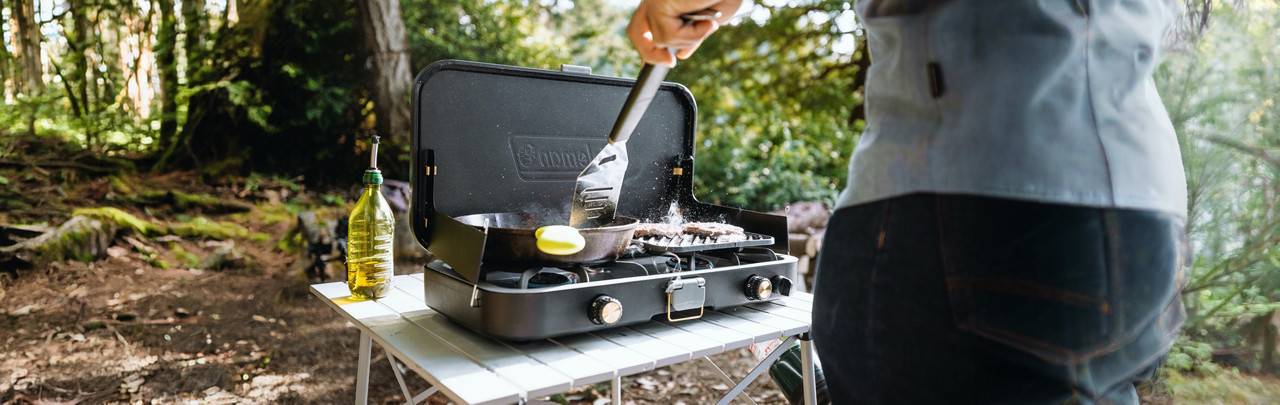
A compact single-burner stove such as the X-Cursion Butane Stove can support one-pot cooking when conditions allow. It has one adjustable burner, a large base, and a porcelain-coated grate. Use it only on a level outdoor surface and follow all fuel and operating instructions.
How to Sleep Comfortably on a Rainy Camping Trip
Sleeping in a tent in the rain is more comfortable when your sleep system helps you stay warm and keeps you off the cold tent floor. A sleeping bag helps retain body heat, while a sleeping pad adds cushioning and insulation between you and the ground. A cot raises the sleep surface and can make getting in and out easier.
Insulate Yourself From the Ground
Wet ground can feel cold even when the tent floor remains dry. A sleeping pad creates an insulating layer between your body and the floor. The Cozy Inflatable Sleeping Pad has an R-value of 3+, which means it insulates you from the ground. Its brushed fabric surface is also designed to make less noise when rolling around at night in your sleeping bag.
Tent campers who have enough floor space for a larger sleep setup may consider an Airbed Cot, available in twin and queen sizes. Its raised design can make getting in and out easier, while the factory-tested AirTight® system and Double Lock™ valve are designed to help the airbed maintain inflation.
Keep Your Sleeping Bag Dry
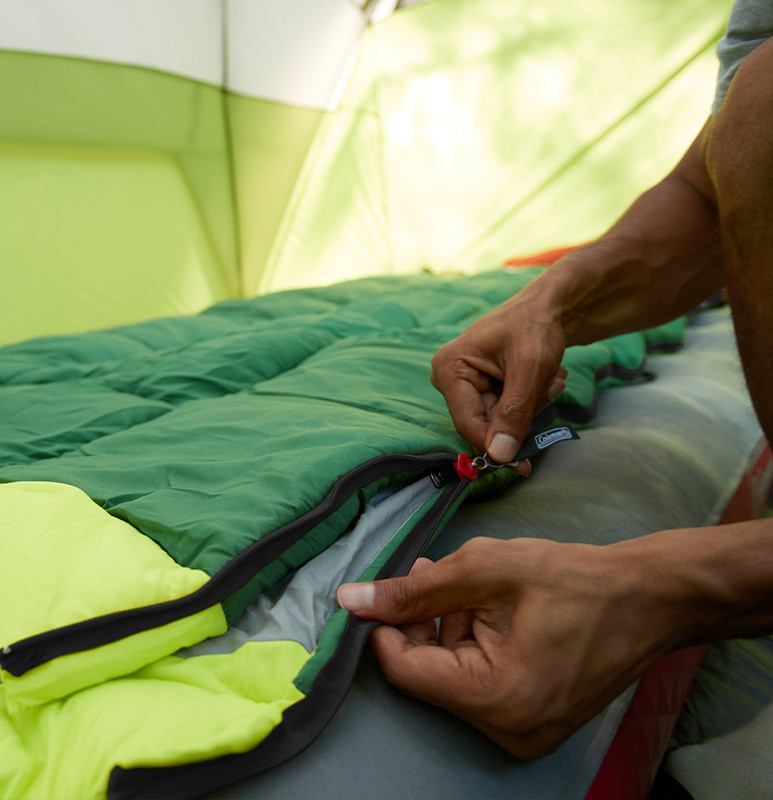
Choose a sleeping bag based on the expected overnight temperature, your sleep habits, and the rest of your sleep system. The Cozy 30°F Sleeping Bag with Integrated Liner offers two warmth configurations by allowing the fleece liner to be added or removed. Temperature ratings should be used as guidance rather than a promise of comfort for every sleeper or condition.
Store the sleeping bag in a waterproof bag until the tent is ready, and change into dry clothing before getting inside. Keep the bag away from wet walls, jackets, and shoes, since damp insulation may not retain warmth as effectively.
How to Dry and Store a Tent After Rain
Shake or wipe excess water from the rainfly before packing when conditions allow. Keep wet tent parts separate from sleeping bags, clothing, and other dry gear during the trip home.
A tent may need to be packed damp when you leave the campsite, but it should not be stored that way. Unpack it as soon as possible, then allow the tent body, floor, rainfly, stakes, guylines, and storage bag to dry fully before putting everything away. If the fabric is muddy, follow our guide on how to clean a tent before storing it.
Make the Most of Camping in the Rain
Camping when it rains is easier when every part of the campsite has a clear purpose. The tent protects the sleeping area, covered storage manages wet gear, and the sleep system provides warmth and separation from the ground. Small habits, such as closing the tent door quickly and keeping dry clothes sealed, help the entire setup work better.
Plan for ordinary rain, but remain flexible when conditions change. A prepared campsite can handle many wet-weather situations, while worsening storms, flooding concerns, or campground instructions may require an earlier pack-up or a move to a safer location.
FAQs About Camping in the Rain
How much rain is too much for camping?
There is no single cutoff because soil, slope, wind, water levels, road access, and storm type all affect campsite conditions. Delay or end the trip when severe weather alerts, flooding, unsafe winds, closures, or campground instructions indicate that the site is no longer suitable.
Should I put a tarp under my tent when it’s raining?
A tent footprint or ground cloth can help protect the floor from mud, abrasion, and ground moisture. Keep it slightly smaller than the tent floor or tuck it completely underneath so it does not collect rain and direct water beneath the tent.
What should I do if my tent starts leaking?
Move sleeping bags and dry clothing away from the wet area, then check that the door is closed and the rainfly is positioned correctly and not sagging against the tent body. Use towels to manage water temporarily, but move to a safer location if water is pooling around the tent or conditions are worsening.
Can you camp in the rain without a rainfly?
Only if the tent is specifically designed to provide enough weather protection without one. Many tents depend on the rainfly to cover mesh panels, so bring the correct fly and install it whenever rain is possible.
Can I use a heater inside a tent during cold rain?
Do not use fuel-burning heaters, stoves, or grills inside a tent. To improve comfort, change into dry clothes, use a sleeping bag suited to the expected temperature, and place an insulated sleeping pad between your body and the tent floor.
What happens if you store a tent while it’s still wet?
Moisture trapped in a stored tent can contribute to odors, stains, mildew, and material damage. Unpack the tent after the trip and let every part dry completely before placing it in long-term storage.
How can you make a rainy camping trip more enjoyable?
Plan a covered gathering space and bring simple activities that do not require much room. Card games, books, warm drinks, and a camp lantern can make a drizzly afternoon feel like part of the trip rather than lost time.