Your Browser Is No Longer Supported. Please use an alternative browser to improve your experience and security.



Car Camping Setup Guide: What to Pack and How to Organize It
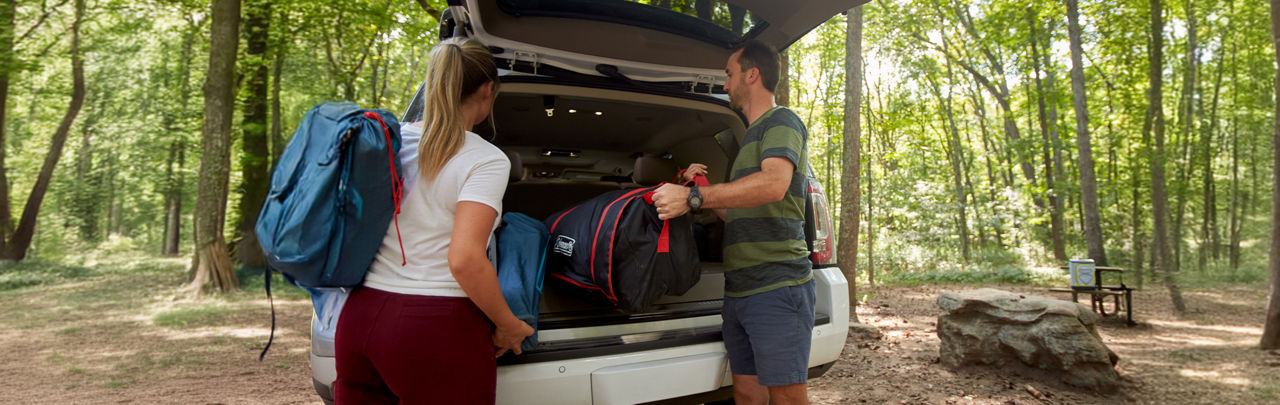
You pull off the road, find a level spot, and start shifting your gear into place. Within a few minutes, your sleeping area is set and you’re done for the night. That’s the appeal of car camping. It keeps the setup simple and puts everything you need within reach.
When your setup isn’t dialed in, though, the small problems show up quickly. You’re moving bags just to lie down, digging for a light after dark, or realizing your sleeping space isn’t as flat as it looked. Those are the moments that turn a simple overnight into extra work.
A solid car camping setup avoids that. It gives everything a place, keeps essential gear within reach, and makes your space usable from the moment you park. Once that system is in place, each stop gets easier, whether it’s a quick night off the road or a few days at camp.
What Is Car Camping and How Does It Work?
Car camping means using your vehicle as your base, often sleeping inside it instead of setting up a tent. It works well for road trips, early starts at trailheads, and campgrounds where you have a drive-up site and want a faster setup at the end of the day.
Instead of spreading gear across a campsite, everything stays contained in or around your vehicle. That makes setup faster, but it also means you need to be more intentional about how you pack and organize.
Most setups improve with use. After a few trips, you start noticing what slows you down and what stays within reach. Adjusting your setup around those patterns makes each trip easier to manage.
How to Plan a Car Camping Trip Before You Pack
Packing gets easier when you know how the trip will unfold. A single overnight stop requires less than a multi-day trip where you’ll be cooking, changing locations, and dealing with different conditions.
Before you start loading the car, think through a few details:
- Where you’ll park and whether overnight stays are allowed
- What temperatures to expect overnight, not just during the day
- How many days you’ll go without restocking food or water
- Whether you’ve tested your setup before relying on it
A short test run helps catch issues early. You might notice something as simple as a bag blocking your sleeping space or not having a lantern or flashlight within reach at night. Fixing those at home is easier than adjusting in the dark.
Choosing the Right Vehicle Setup for Sleeping
Vehicle interiors can vary quite a bit and that affects how you set up your sleeping space. SUVs and trucks offer more room, but even smaller cars can work with a tighter system.
Start by creating a flat surface. Folding seats down is the first step, but most setups still need a little adjustment. Gaps, angles, or uneven spots become more noticeable after a few hours of sleep.
Position also matters. Many setups work better with your head toward the front of the vehicle, where there’s often more room around your shoulders. It also makes it easier to reach items stored near the front seats.
Comfort and storage compete for the same space. A thicker pad or mattress can help you sleep better, but it reduces the room available for gear. Finding the right balance depends on how long you’ll be out and what you need to bring.
How to Set Up a Comfortable Sleeping Area in Your Car
A sleep setup you can rely on makes a difference, especially on back-to-back nights. It doesn’t need to be complicated, but it should work the same way each time you set it up.
Start with a base layer that evens out the surface. A sleeping pad like the Cozy Inflatable Sleeping Pad helps smooth out uneven areas and adds insulation from the vehicle floor. Pair it with a sleeping bag like the Cozy 30°F Sleeping Bag with Integrated Liner, which gives you flexibility when temperatures shift overnight.
On trips where you have more space, sleeping outside the car can help. A compact option like the 2-Person Skydome™ Camping Tent gives you extra room while keeping your vehicle organized for storage.
To keep your sleep setup reliable, focus on the details:
- Use a pad or mattress to create a level surface
- Match your sleeping bag or layers to the forecast
- Add window covers if you want privacy or less morning light
- Leave a small opening for airflow to reduce condensation
Keep a few essentials within reach. A flashlight, shoes, and water should be easy to grab without moving other gear.
What to Pack for Car Camping
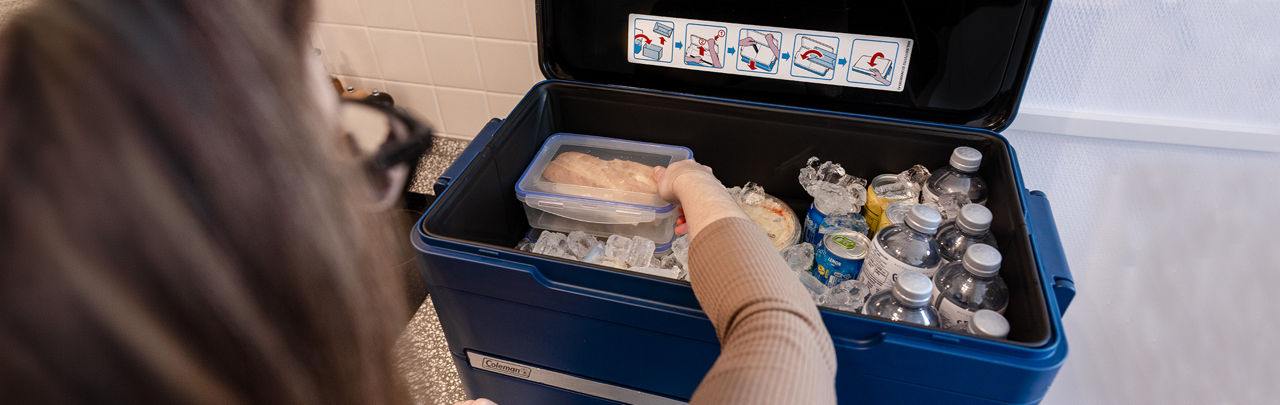
Car camping essentials should cover your needs without taking over your space. Packing too much usually creates more work later.
A practical setup includes:
- A sleep system with a pad, sleeping bag, and pillow
- Lighting for both general use and quick tasks
- A power source for charging devices
- Clothing that can handle temperature changes
- Basic toiletries
- A simple first aid kit
For lighting, a lantern like the 400 Lumens Classic Rechargeable LED Lantern works well for your main setup, while a compact option like the BatteryGuard™ 50M Flashlight is easy to grab when you need quick light.
If an item doesn’t support your daily routine, it likely doesn’t need to be packed.
How to Organize Your Car for Easy Access
Organization determines how easy your setup is to use once you arrive at your destination. Without it, even basic tasks take longer than they should.
Think about how you move through the day. Consider what you need in the morning, what you use while driving, and what you reach for at night. Those items should be placed where you can access them without unpacking everything.
A simple system can include:
- Grouping gear by use, such as sleep, food, and daily items
- Using bins or soft bags to keep items contained
- Placing frequently used gear near doors or seats
- Leaving space for items you grab often
Putting items back in the same place each time helps you avoid searching for them later, especially in low light or tight spaces.
Cooking and Food Storage While Car Camping
Food setup should match the kind of trip you’re taking. Simple meals are easier to manage, especially when space is limited.
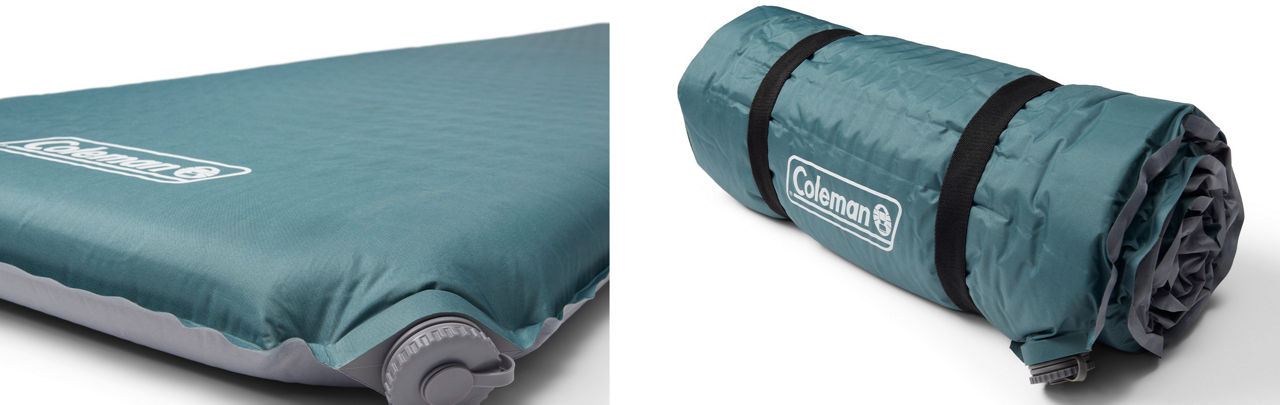
Coolers are central to most setups. A compact option like the Coleman® Pro 16-Can Soft Cooler works well for shorter trips or tight spaces. For longer trips, a larger option like the Coleman® Pro 45-Quart Hard Cooler gives you more capacity and longer cold retention. If storage is limited, a collapsible option like the Snap ‘N Go 35-Quart Collapsible Hard Cooler can help you save space when it’s not in use.
To keep your food system manageable:
- Choose meals that don’t require extensive cleanup
- Prep ingredients at home when possible
- Group food by meal or day using separate bags or containers so you’re not digging through the entire cooler
- Store food securely overnight
Keeping your food setup simple helps maintain order in a small space.
Staying Comfortable in Different Weather Conditions
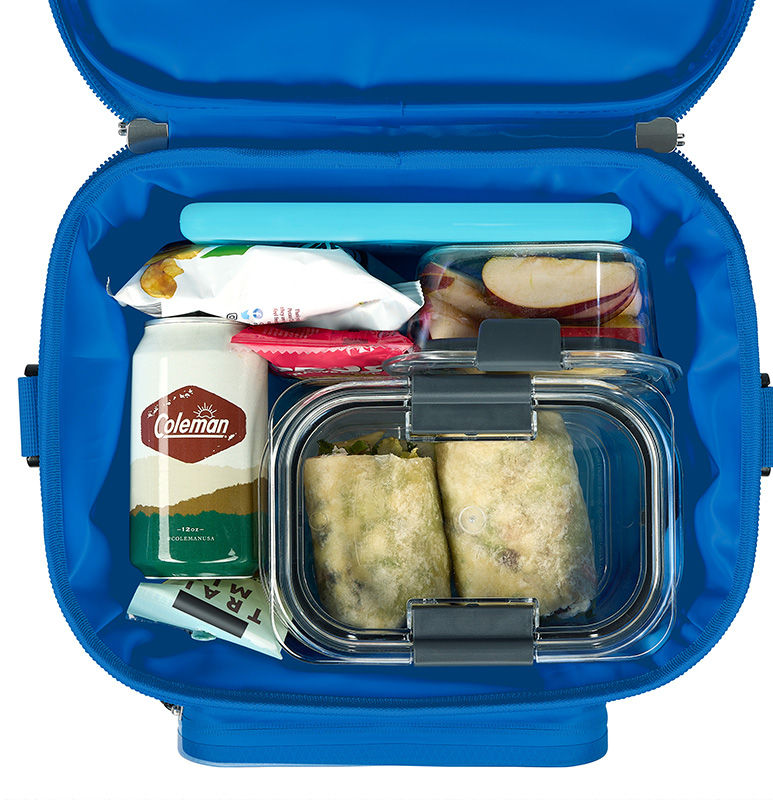
Weather affects how your setup performs. Adjusting early helps you stay comfortable without changing everything.
Cold conditions require layering. Adding a liner or extra blanket works better than relying on a single heavy item. Warm conditions shift the focus to airflow. Cracking a window and choosing shaded parking can help reduce heat buildup.
Keep these adjustments in mind:
- Allow for ventilation to manage condensation
- Use layers to adapt overnight
- Park with sun and wind direction in mind
- Keep dry clothing accessible
Small changes can make a noticeable difference across a full trip.
Where to Park and Sleep Safely in Your Car
Where you park affects how well you rest. Some spots are quiet and straightforward, while others require more attention.
Campgrounds and public lands are often the most reliable options. In developed areas, checking local rules ahead of time helps avoid last-minute changes.
When choosing a location, consider:
- Whether overnight parking is allowed
- How level the parking surface is, since sleeping at an angle can be uncomfortable
- Noise, light, and nearby activity
- General safety of the area
- Personal sleep preferences
Avoid running your engine overnight. A well-prepared sleep setup and proper layering can help you stay comfortable without relying on your vehicle for heat.
Common Car Camping Mistakes and How to Avoid Them
Most car camping issues come from a few common habits. Once you recognize them, they’re easy to fix.
Watch for these:
- Packing more than your space can handle
- Letting gear pile up without a clear system
- Ignoring ventilation until condensation builds up
- Skipping a test run before longer trips
Each trip helps refine your setup. Small adjustments improve how everything works together.
Frequently Asked Questions About Car Camping Setup
Can you car camp in a regular sedan?
Yes. You don’t need a large vehicle to car camp. Sedans can work with a tighter setup, especially if the back seats fold down to extend your sleeping area. The key is packing light and organizing carefully so your space stays usable.
Do you need a tent if you’re car camping?
No. Many car campers sleep inside their vehicle and don’t use a tent at all. If you’re staying at a campground or want more space to spread out, you can set up a tent and use your car for storage and cooking. The right choice depends on how much room you have and how you prefer to camp.
How do you stay warm without running the car?
Use a sleep system designed for the conditions. A sleeping bag rated for the expected temperature, along with extra layers or a liner, can help retain body heat overnight.
Avoid running your vehicle while you sleep. It can create serious safety risks, including carbon monoxide buildup. It’s safer to rely on proper insulation and layering to stay comfortable.
What’s the easiest car camping setup for beginners?
Start simple. A basic setup with a sleeping pad, sleeping bag, cooler, and a small light source covers most needs. You can add more gear over time as you learn what works for your trips.
How do you keep food cold while car camping?
Use a well-insulated cooler and keep it closed as much as possible. Pre-chilling the cooler and organizing food so you’re not opening it often can help maintain cold temperatures longer.
Is it legal to sleep in your car while camping?
It depends on the location. Campgrounds and public lands often allow it, but some areas have restrictions. Always check local regulations before parking for the night.