Your Browser Is No Longer Supported. Please use an alternative browser to improve your experience and security.


Festival Camping List
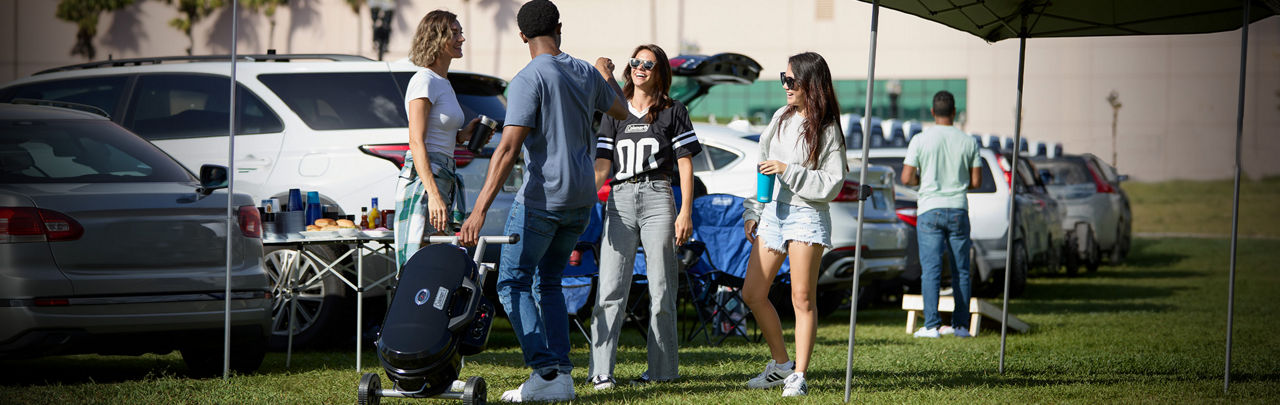
When you’re getting ready for a music festival, most of your focus is on the experience. You’re thinking about the lineup, the schedule, and how things will play out once you get there. Planning for music festival camping often comes second.
But what you bring will have a big impact on your experience. You need a comfortable place to sleep, a way to stay dry in bad weather, and a setup that fits in tight spaces–especially if you’re there for multiple days.
Packing well doesn’t mean bringing more. It means bringing the right gear for the conditions you’ll actually face. This guide focuses on what you need to pack so you can set up quickly, stay comfortable, and avoid common mistakes at a festival campsite.
Start With Festival Camping Essentials
A festival camping list should stay on task. You may need to carry everything from your car, and festival campsites are often tighter than expected.
Most setups come down to these core categories: shelter, sleep, clothing, food, water, hygiene, and power. If you’re new to camping, this approach is similar to what you’ll find in a generalcamping guide.
Once those are covered, you can decide what adds comfort without creating clutter.
If you are figuring out what to pack for a festival, it helps to focus on how your campsite will function day to day. A few smart decisions ahead of time can make common issues like heat, noise, and crowded campsites much easier to manage once you arrive.
Try organizing your festival packing list this way:
- Must-have items that support shelter, sleep, and basic needs
- Useful additions that improve comfort during long days
- Optional extras that could go unused
Bringing too much gear can make a campsite harder to manage. The more you bring, the more time you spend setting up, organizing, and packing out.
What Shelter Works Best for Festival Camping?
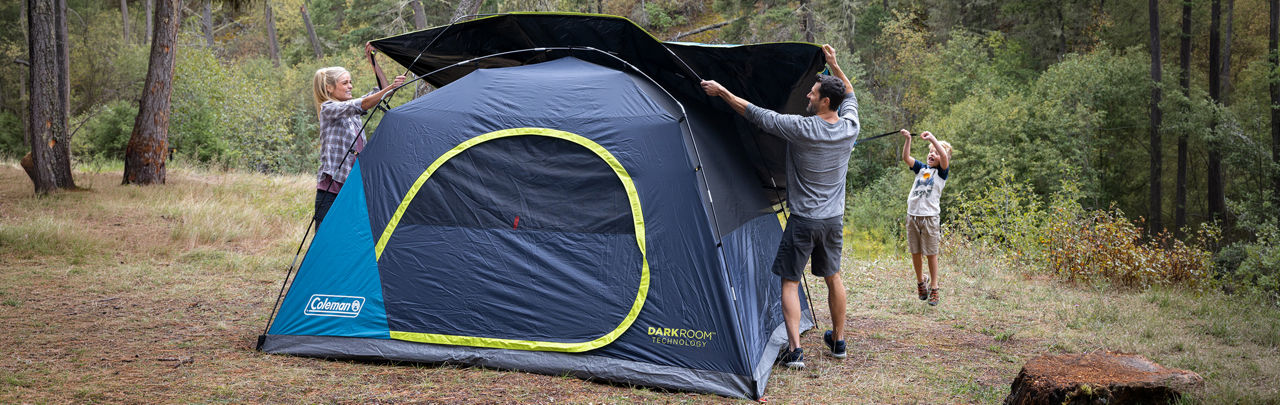
Your shelter needs to handle more than sleep. It also becomes your storage space, your changing area, and your main break from sun or rain.
Choosing the right camping tentcan improve how easy your campsite is to use. Designs like aSkydome™ tentuse near-vertical walls, which makes it easier to stand, change, and store gear without crowding the floor. That extra headroom matters more over multiple days than it does on a single overnight trip.
Setup time matters too. A structure like the8-Person Instant Cabin Tentcan go from packed to ready in about a minute, which is helpful when you arrive late or need to set up quickly in a busy field.
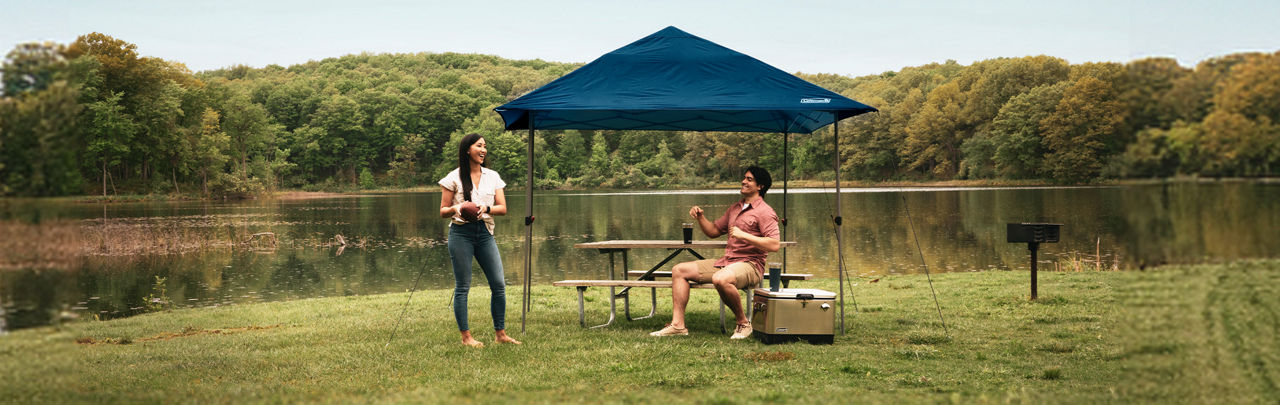
Shade is just as important. A 10 x 10 canopy like the OASIS™orFlex ‘N Go sheltercreates a place to sit and eat without staying inside your tent. Features like vented roofs and clip-on walls can help manage heat and shifting sun throughout the day.
Plan your layout with these conditions in mind:
- Leave room to move between your tent and shade area
- Use a ground layer to help keep moisture and dirt out
- Stake everything securely if wind or rain is possible
A layout that’s easy to move through and reset during the day will work better over multiple days at camp
How to Set Up a Sleep System You Can Actually Rest In
A basic sleep setup works for festival camping, but small upgrades can make a big difference.
Start with the basics. Asleeping bagor blanket should match the expected nighttime temperature. Even in warm climates, nights can cool down more than expected. A bag like theCozy 30°F Sleeping Bag with Integrated Linerlets you add or remove an extra layer, which can help you adjust when the temps drop at night.
You’ll need an inflatable mattress for comfort or a sleep pad to insulate you from the ground. TheCozy Inflatable Sleeping Padpacks down small and adds cushioning, while a self-inflating option like theSilver Springs™ Camping Padadds more insulation if you’re expecting cooler weather.
A few small additions can also make it easier to fall asleep and stay asleep:
- Earplugs to manage noise from nearby camps
- An eye mask to block early sunlight
- A dedicated pillow instead of rolled-up clothing
Keep a clean set of sleep clothes separate from what you wear during the day. It helps your tent feel more comfortable by the second or third night.
What Clothing Should You Pack for Festival Camping?
Clothing for festival camping needs to handle changing conditions. It might be hot and sunny during the day, then cooler once the sun goes down.
Rain or wind can shift things quickly, and you will likely be outside most of the day with limited access to your gear.
Packing with flexibility in mind helps you stay comfortable without bringing too much. Focus on pieces that layer easily and dry quickly, and that can handle long hours of walking and standing.
A practical clothing setup includes:
- Breathable layers for daytime heat
- A warm layer for evenings and early mornings
- Extra socks to stay dry
- A rain jacket or poncho
- Shoes that can handle uneven or muddy ground
Footwear is worth prioritizing, as you’ll likely cover a lot of ground each day.
It’s easy to overpack clothing. Focus on what you will actually wear, not every possible outfit.
How Should You Plan Food and Water for a Festival Campsite?
Plan meals that are easy to prepare and manage at camp. Long prep times and complicated cleanup can take away from your day.
A mix of ready-to-eat food and a few simple meals usually works best. Save cooler space for items that truly need it.
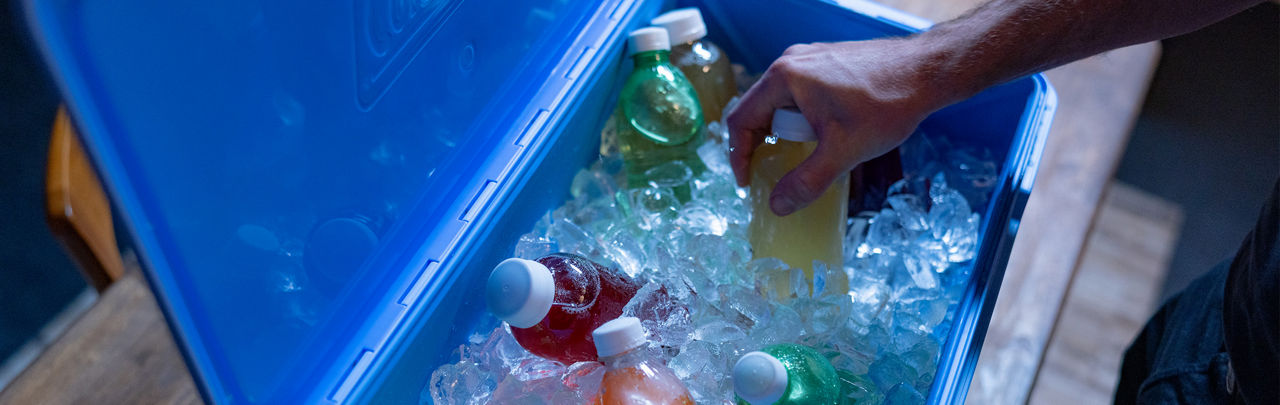
A collapsible hard cooler like theSnap ‘N Go™is useful when you want hard-cooler durability in a format that stores more easily between camping trips. If you want your cooler to double as a usable surface, aFlex ‘N Go™ coolerincludes built-in side tables, which give you space to set food, drinks, or small gear without packing an extra table. For smaller setups, aColeman® Pro™ Soft Cooleris easier to carry and move around camp.
Cooler size depends on how long you are staying and how many people you are packing for. A larger group or multi-day trip calls for a higher-capacity cooler. It also helps to separate food and drinks when possible so you are not opening the same cooler constantly.
Water is just as important. Many festivals have refill stations, but you don’t want to rely on frequent trips. Bringing a dedicated container like the Coleman® Pro™ 1 Gallon Jug keeps water accessible at camp and reduces trips to refill stations.
To keep things manageable:
- Pack meals that are quick to assemble or reheat
- Keep snacks easy to reach
- Limit dishes to what you will actually reuse
- Plan for trash so your site stays clean
Simple planning here helps reduce time spent at camp and keeps your setup easier to manage.
What Lighting and Power Do You Really Need?
Lightingis a small but important part of any festival camping checklist. It helps your campsite stay usable after dark and makes it easier to find your way back at night. In a crowded festival campground, lighting can also help you find your campsite and get around safely.
A battery-powered lantern works well in your tent. A rechargeable option like the400 Lumens Classic Recharge Lanterncan be used on a table or hung overhead in your tent. If you think it will be hard to find a place to recharge it, you might want one with replaceable batteries like the4600 Lumens LED Lantern with BatteryGuard™which helps preserve battery life when not in use.
A small flashlight or headlamp is useful for quick tasks or walking through crowded areas.
Power needs are usually limited, but it helps to plan ahead. Most campers rely on portable chargers for phones and small devices, especially when they are away from their campsite for long stretches.
To keep things manageable:
- Use one main lantern for your campsite
- Bring a backup light source
- Pack one or two fully charged power banks
- Limit how many devices you plan to charge
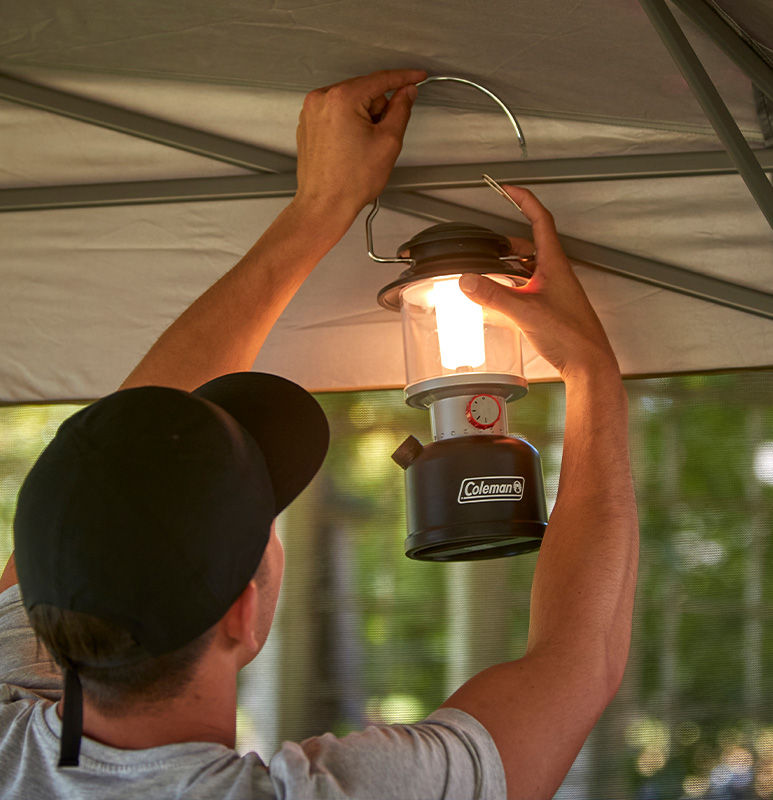
In most cases, you don’t need much to keep your campsite functional after dark.
What Hygiene Items Matter Most at a Festival Campsite?
Staying clean at a festival campsite is about efficiency. Access to showers and running water will probably be limited, and shared restrooms can get crowded or run low on supplies. When you’re planning for how to stay clean while camping, remember the key is to keep your setup simple.
A basic hygiene setup helps you stay comfortable without taking up much space. Focus on items that are easy to use and do not require running water.
A camping hygiene kit should include:
- Body wipes or wet wipes
- Hand sanitizer
- Toilet paper or tissues
- Basic toiletries like a toothbrush and deodorant
Keeping dust and dirt out of your sleeping area also helps. Wiping down before bed and separating dirty clothes can help you stay comfortable.
Most full-size toiletries are not necessary. A compact kit covers what you need.
How Do You Make a Festival Campsite More Comfortable Without Overpacking?
Comfort at a festival campsite usually comes from a few well-chosen items, not an elaboate setup.
Camp chairsare one of the best upgrades you can make. A good chair like the Coleman Pro® Rocker Chairhas a smooth rocking motion, which can be a major upgrade after long hours on your feet. If space is limited, theFlex ‘N Go™ chairwith pop-out side tables or theFlex ‘N Go™ chair with an attached cooler and side tablecan replace multiple pieces of gear in one setup.
Shade and organization also matter. A small, covered area keeps you out of the sun, and keeping gear in a few defined spots makes it easier to find what you need.
What Should You Leave at Home?
Packing less is often the better choice. Many first-time campers bring items they never use, especially when preparing for a multi-day event. Festival campgrounds are busy, shared spaces. With so many people moving through the area, items are more likely to get lost, misplaced, or damaged than on a typical camping trip.
This is where it helps to think about what not to bring camping, especially in a crowded festival setting.
Avoid gear that takes up space without solving a clear need.
Common items to skip:
- Large furniture that crowds your campsite
- Fragile or expensive items
- Gear that depends on power you may not have
- Duplicates of items you only need once
Festival rules can also limit what you bring, so it helps to check ahead.
How Do You Pack and Transport Festival Camping Gear Efficiently?
Getting your gear from your car to your campsite is often the first challenge, especially if your music festival packing list includes bulky items.
Packing your car by priority helps. Put in your tent last so you can get it out first. Everything else can come in after your basic setup is complete.
A few packing light tips can go a long way here, especially when you may need to carry everything in one or two trips.
Using the right containers makes a difference. Soft bags, duffels, or bins can help you stay organized. If you have a longer walk, theColeman® XL Wagoncan help move heavier items like coolers and water in fewer trips.
To stay organized:
- Group gear by use, like cooking or sleeping
- Keep essentials easy to reach
- Pack heavier items so they are easier to carry
- Do a final check before leaving to catch anything you missed
A clear packing system helps you set up faster and makes packing up when the festival ends more manageable.
Frequently Asked Questions About Festival Camping
Should you lock your tent at a festival?
Locking your tent isn’t usually recommended. Zippers can be forced open, and a visible lock can draw attention. It’s better to keep valuables with you or store them out of sight in your car if the festival allows re-entry.
How do you keep your tent cool during a festival?
Tents tend to heat up quickly in the morning sun. Positioning your tent so the door faces away from direct sunlight can help, and using a canopy or shade structure nearby can reduce heat buildup. Ventilation also makes a difference, especially in warmer climates. Some Coleman® tents also have Darkroom™ tech that blocks light and keeps the tent cooler.
What is the most common mistake when festival camping?
Overpacking is one of the most common issues. Bringing too much gear makes it harder to set up, move around your campsite, and pack everything back up at the end of the festival. Most campers end up using less than they expect.
How do you keep track of your campsite in a large campground?
Finding your way around a festival campground can be difficult when it gets dark. Using a small light, flag, or identifiable marker can make your campsite easier to find. Some people also save their location on their phone before leaving camp.
What is the easiest way to manage food at a festival campsite?
The easiest approach is to rely on simple meals and ready-to-eat options. Prepping food ahead of time or bringing items that do not require cooking can help you avoid hassles and reduce cleanup.
How early should you arrive for festival camping?
Arriving as early as your entry window allows is usually the best approach. Getting there early gives you more options for campsite location, making it easier to find a flatter spot, avoid low areas that collect water, and set up before the campground gets crowded.
Where is the best place to set up your tent at a festival?
Look for slightly elevated ground to avoid water pooling if it rains. Try to stay close enough to walk to key areas without being right next to high-traffic paths or restrooms, where noise and foot traffic can be constant.