Your Browser Is No Longer Supported. Please use an alternative browser to improve your experience and security.



How to Choose a Sleeping Bag for Camping
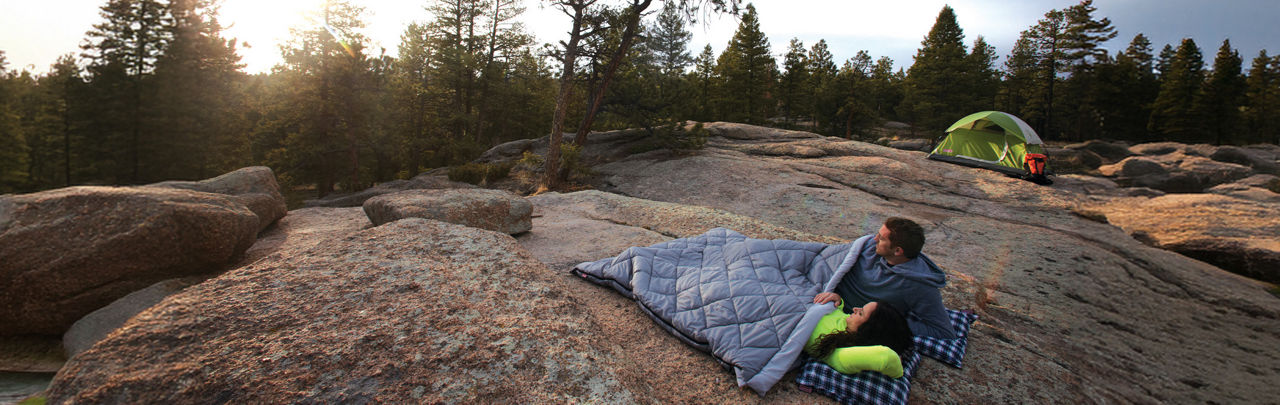
A sleeping bag does more than just keep you warm. The right one can make it easier to stay comfortable through changing temperatures, damp weather, and long nights outdoors.
Some campers want a lightweight bag that packs small for weekend hiking trips. Others care more about extra room, softer materials, or staying comfortable during chilly nights at the campground.
Learning how to choose a sleeping bag starts with understanding where you camp, the temperatures you expect, and how you prefer to sleep outside.
Start With Your Camping Style
The easiest way to narrow down your options is to think about how you usually camp. A sleeping bag for backpacking often looks very different from one designed for campground or family camping.
If you’re new to camping, think about the kinds of trips you plan to take most often. Weekend campground trips, road trips, and backpacking all call for slightly different sleeping bag features.
If you mostly drive to campsites and unload gear a few steps from the car, comfort usually matters more than packed size. Roomier rectangular sleeping bags, softer linings, and extra features can make nights at the campground feel more relaxed. Bags like the Coleman® Arch Bay™ 30°F Sleeping Bag or Flatlands™ 40°F Sleeping Bag work well for casual camping out of your car because they prioritize warmth and space over cutting down on bulk.
Backpacking is different. Every ounce matters when you’re carrying gear for miles, so lighter materials and smaller packed sizes become more important. A sleeping bag like the Coleman® Kompact™ 20°F Rectangle Sleeping Bag is designed to compress smaller than traditional camping sleeping bags, which can help when storage space is limited.
Camping Style Affects Comfort More Than Many Campers Expect
For many families, sleeping bag choices often come down to comfort, warmth, and ease of use. Parents usually want gear that is:
- Easy to pack and unpack
- Comfortable for different sleeping styles
- Warm enough for changing weather
- Simple to clean and store afterward
Most campers do not need highly technical sleeping bags designed for extreme conditions. Choosing based on how and where you camp usually leads to a sleeping bag that better fits your trips and camping conditions.
Understanding Sleeping Bag Temperature Ratings
One of the first things campers notice about a sleeping bag is its temperature rating. That number is designed to give you a general idea of the conditions the bag is built for, but it shouldn't be treated as a guarantee.
Choosing the right sleeping bag temperature rating depends on when and where you camp. For most summer camping, sleeping bags rated between 30°F and 50°F work well. Spring and fall camping often call for 15°F to 30°F bags, while winter camping often calls for a bag rated below 15°F.
Several factors affect how warm a sleeping bag feels overnight, including weather conditions, tent setup, clothing layers, sleeping pad, and whether you naturally sleep warm or cold. That’s why many experienced campers prefer a sleeping bag rated slightly colder than the temperatures they expect to camp in.
If you mostly camp during mild weather, a warmer-weather bag often feels more breathable during the night. For shoulder-season trips where temperatures can swing overnight, a camping sleeping bag with more insulation gives you additional flexibility.
Comfort Ratings vs. Lower Limit Ratings
Some sleeping bags include both a comfort rating and a lower limit rating. The comfort rating estimates the temperature range an average cold sleeper may find comfortable overnight, while the lower limit rating estimates the lowest temperature a warm sleeper may still tolerate overnight.
Real-world conditions matter, too. Wind, moisture, elevation, and ground insulation all affect how warm a sleeping bag feels once you turn in for the night.
The Coleman® Cozy 30°F Sleeping Bag with Integrated Liner is designed to help campers adjust to changing temperatures. The removable fleece liner adds flexibility during spring and fall trips when overnight temperatures can vary from one night to the next.
Synthetic vs. Down Sleeping Bag Insulation
Most sleeping bags use either synthetic or down insulation, and each comes with different tradeoffs around warmth, packed size, moisture resistance, and care.
Down insulation is known for being lightweight and compressible. It’s designed to retain warmth while packing down small, which makes it popular for backpacking and colder camping conditions where saving space matters.
Synthetic insulation tends to be more practical for casual camping because it dries faster, usually costs less, and requires less maintenance over time. It also maintains insulation more effectively in damp conditions than down. Synthetic sleeping bags are especially common for campground camping because extra bulk is usually less noticeable when gear travels in a car instead of a backpack.
Which Insulation Type Makes Sense for Most Campers?
For many casual campers, synthetic insulation offers a good balance of warmth, durability, and convenience. Coleman® sleeping bags like the Arch Bay™, Flatlands™, and Big Game™ models use synthetic insulation designed to help retain warmth while staying practical for campground use.
| Feature | Down Insulation | Synthetic Insulation |
|---|---|---|
| Packability | Packs down smaller | Takes up more space when packed |
| Weight | Typically lighter | Usually heavier |
| Damp Conditions | Can lose insulation performance when wet | Tends to maintain insulation better in damp conditions |
| Cost | Often costs more | More budget-friendly |
| Care | May require more careful storage and cleaning | Easier to care for over time |
Sleeping Bag Shapes
Sleeping bag shape affects how warm and spacious a bag feels overnight. Some campers want extra room to move around, while others prefer a more heat-efficient fit.
The most common types of sleeping bags include:
- Rectangular sleeping bags
- Mummy sleeping bags
- Semi-rectangular sleeping bags
- Double sleeping bags
Rectangular sleeping bags feel more open and less restrictive. They work well for campground camping, warmer weather, and campers who move around during sleep. Many can also unzip fully and work like a blanket around the campsite.
Mummy vs. Rectangular Sleeping Bags
Mummy sleeping bags narrow around the legs and usually include a hood to help reduce heat loss. Because they fit closer to the body, they often retain warmth more efficiently in colder conditions.
Rectangular sleeping bags feel more open and less restrictive. They are common for campground camping, warm-weather trips, and campers who prefer extra room to move around overnight.
Campers who prioritize warmth and packed size often lean toward mummy bags, while campers focused on room and flexibility may prefer rectangular designs.
Choosing the Right Sleeping Bag Size and Fit
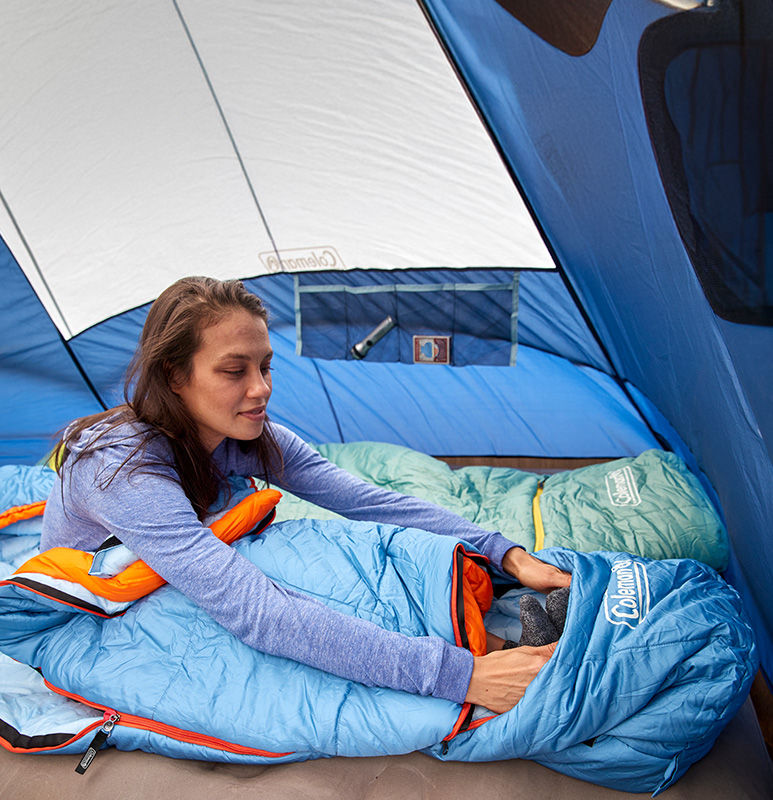
A sleeping bag that fits properly usually feels warmer and easier to sleep in than one that is too large or too tight.
If a bag is oversized, there is more interior air space for your body to warm overnight. On the other hand, a bag that feels too restrictive can make it harder to change positions or stretch out comfortably.
A good sleeping bag fit usually leaves enough room to shift positions during the night without creating large pockets of empty air inside the bag.
When choosing sleeping bag sizes, look for enough room to:
- Change sleeping positions comfortably
- Keep insulation from compressing around your feet
- Layer clothing comfortably in cooler weather
Sleeping bag dimensions can vary quite a bit between styles, so it helps to check both overall length and shoulder room before choosing a size.
Sleeping Bags for Taller Campers
Taller campers should pay close attention to both bag length and shoulder room. Sleeping bags that feel too short can compress insulation near the feet and reduce usable space overnight.
Coleman® Big & Tall sleeping bags like the Big Game™ 0°F Sleeping Bag and Arch Bay™ 15°F Sleeping Bag are designed with additional length and room for taller campers who need extra space to stretch out comfortably.
Features That Improve Camping Comfort
Small sleeping bag features can make nights outdoors easier and more relaxing after a few days at camp. Instead of focusing only on insulation, it helps to look at how a bag handles comfort, airflow, and everyday use.
A few features that are especially useful include:
- Draft tubes that help reduce heat loss near the zipper
- Adjustable hoods for colder nights
- Two-way zippers for ventilation
- Soft fabric around the face and hood area
- Interior pockets for keeping small items nearby
A sleeping bag that vents well can feel much more usable during warm nights at the campground. Even during cooler trips, temperatures inside a tent can change overnight. Being able to open the footbox or partially unzip the bag can help regulate airflow without fully leaving the bag.
Sleeping Pads Matter More Than Many Campers Realize
Your sleeping pad plays a major role in warmth and comfort because the ground can pull heat out of your body throughout the night. An insulated pad creates an important barrier between your sleeping bag and the cold ground.
The Coleman® Cozy Inflatable Sleeping Pad works well when you need more insulation and cushioning from the ground. Its R-value 3+ insulation helps reduce heat loss to the ground while remaining compact enough for many camping setups.
How to Stay Warm in a Sleeping Bag
Sleeping bag warmth depends on more than the temperature rating printed on the label. Your overall sleep setup plays a big role in how comfortable you feel overnight.
A few factors that commonly affect warmth include:
- Ground insulation from your sleeping pad
- Damp clothing or wet conditions
- Wind exposure around the tent
- Sleeping bag fit
- Personal sleep preferences
Even small adjustments to your sleep setup can affect how warm a sleeping bag feels overnight.
Sleeping Bag vs. Quilt or Blanket Systems
Traditional sleeping bags are still the most common choice for camping because they provide full-body coverage and are easier to use across a wider range of temperatures and conditions.
Some campers use quilts or blankets during warm-weather trips when ventilation and extra room matter more than maximum warmth retention. Quilts are most common for summer campground camping, cabin stays, or backyard camping where temperatures remain mild overnight.
Sleeping bags are often simpler for beginner campers because they provide more consistent coverage overnight.
How to Care for and Store a Sleeping Bag
Good sleeping bag care can help insulation last longer and keep the bag feeling more comfortable over time.
After a camping trip, air out the sleeping bag before storing it away. This helps moisture evaporate and can help prevent stale odors from settling into the insulation.
Machine-washable bags can also make maintenance easier for frequent campers. Models like the Coleman® Cozy 30°F Sleeping Bag with Integrated Liner simplify cleanup because the fleece liner can be removed and washed separately after trips.
- Follow the manufacturer’s care instructions
- Use mild detergent when machine washing
- Dry thoroughly before storage
- Avoid storing the bag compressed long term
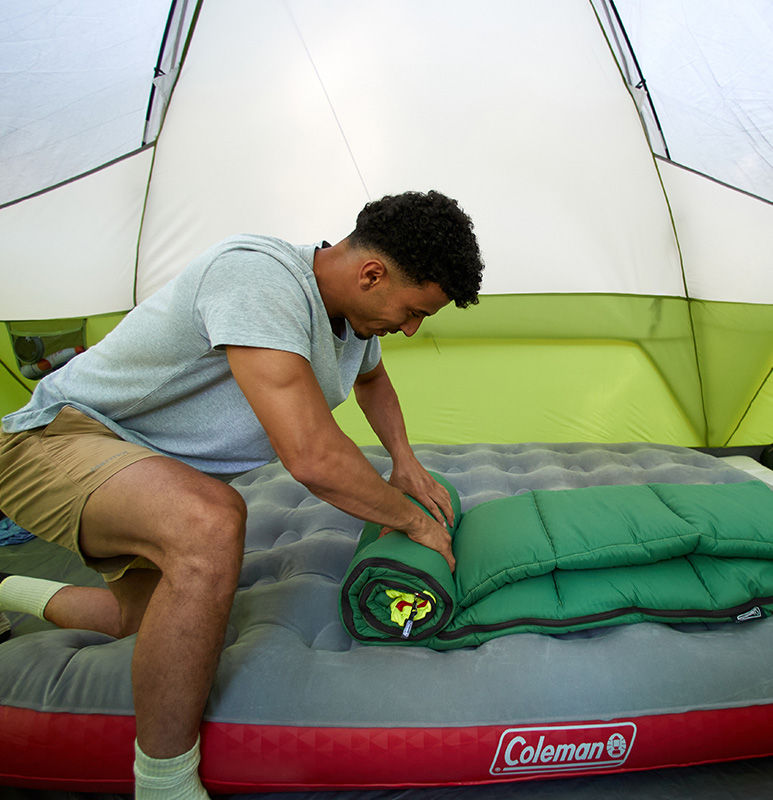
Leaving a sleeping bag tightly packed in a stuff sack for months at a time can reduce loft and make insulation less effective. Many campers store sleeping bags loosely in a larger storage sack or on a closet shelf between trips instead of keeping them compressed year-round.
Frequently Asked Questions About Choosing a Sleeping Bag
Should I get a 20°F or 30°F sleeping bag?
A 20°F sleeping bag usually gives campers more flexibility for spring, fall, and cooler summer trips. A 30°F bag often works well for mild-weather camping where overnight temperatures stay warmer. If you tend to sleep cold, choosing the lower temperature rating can help provide a larger comfort buffer.
What sleeping bag shape is warmest?
Mummy sleeping bags are generally designed to retain warmth more efficiently because they fit closer to the body and reduce extra interior air space. Rectangular sleeping bags usually provide more room to move around, which many campers prefer during mild-weather camping.
Do you need a sleeping pad with a sleeping bag?
A sleeping pad adds insulation and cushioning between your body and the ground. Even a warm sleeping bag can feel colder without proper ground insulation underneath it, especially during cool-weather camping.
Can a sleeping bag be too warm?
Yes. A sleeping bag that is heavily insulated for cold weather can feel too warm during mild summer camping. Features like two-way zippers or removable liners can help campers adjust airflow and temperature more easily overnight.
What is the most comfortable thing to sleep on while camping?
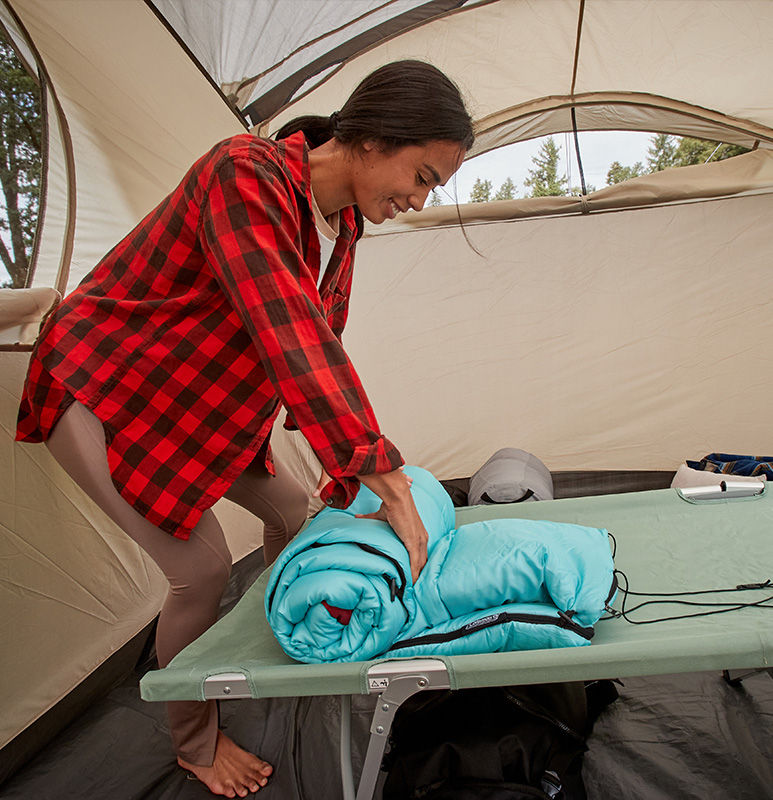
For many campers, an insulated sleeping pad provides a practical balance of warmth, cushioning, and packability. Camp cots can also improve airflow and support, especially during longer campground stays.